
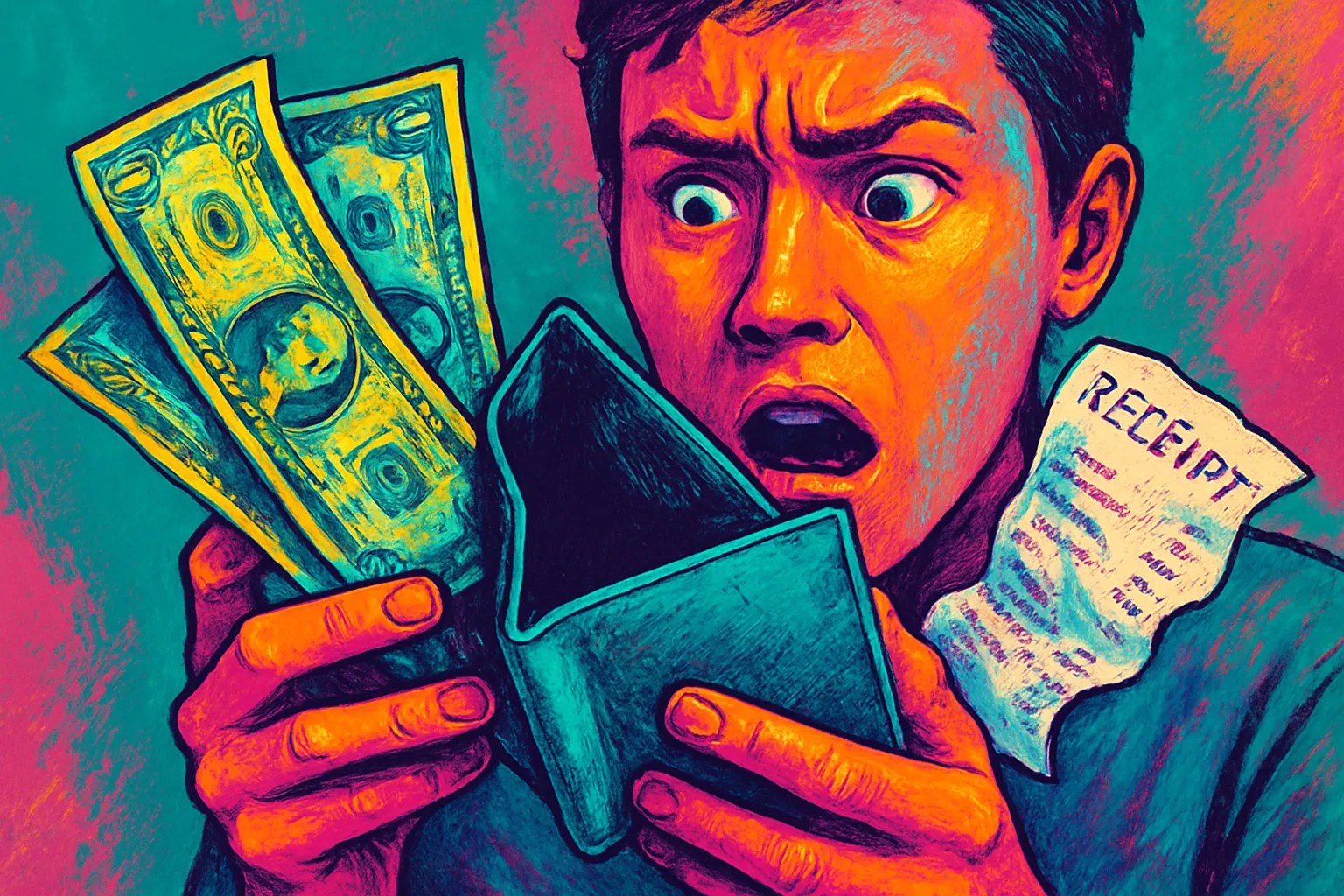
Is Your ‘Emergency-Only’ Credit Card Now Your Daily Wallet? Flip the Script Fast With This 3-Step ‘Recharge Routine’ Before Fees Snowball
It’s become tougher to stretch every dollar: with everyday costs jumping, a LendingTree survey reports 41% of Americans now lean on credit cards or ‘Buy Now, Pay Later’ (BNPL) options just to cover essentials. But what started as a backup for true emergencies can turn into a dangerous routine that drains cash and racks up late fees fast. Don’t fret—our quick 3-step routine can help you get control before your next bill bites back.
Step 1: Spot the “Invisible” Drain—Recurring Subscriptions
Have you ever checked your statement and spotted a mystery charge for $5.99 or $14.95? Subscription fees, like music apps or streaming services, can quietly pile up.
“Americans spend an average of $924 per year on subscriptions.” (HCM Wealth Advisors)
Bold takeaway: Even small monthly fees quickly snowball into real money wasted.
- Review the last three to six months of bank or credit card statements for recurring charges or unfamiliar company names.
- Log into your Chase account to use “Stored Cards” or check your app store subscriptions (on iOS or Android) to spot hidden fees.
- Try an app like Rocket Money, Trim, or PocketGuard to track and zap unused subs.
Take 10 minutes today to list the recurring charges you can cull—and cancel directly with the provider to be sure it sticks (Accounting Insights).
Step 2: Set Instant Alerts—Catch New Fees as They Happen
With late penalties on the rise and some credit issuers posting them faster than ever, catching fees in real time is crucial.
“Setting up transaction alerts for credit cards can help monitor for unexpected charges in real time.” (U.S. News)
Bold takeaway: Be your own watchdog. Alerts can help you fight back before charges spiral.
- Turn on transaction alerts in your credit card app or banking dashboard—it usually takes just a tap.
- If you’re with Capital One, enable Eno to get pinged when a free trial is about to end.
- Consider using virtual cards for new subscriptions or free trials. When they expire, so does the merchant’s power to auto-bill you!
Set an alert right now—future you will thank you the moment something odd pops up.

Step 3: Use the “Recharge” Routine—Monthly Quick Checks
Between groceries, bills, and surprise expenses, it’s easy to lose track. But making a five-minute check-in each month can help you spot problems—and plug leaks—before they throw off your whole budget.
“Subscription management apps like Rocket Money, Trim, and Hiatus can help identify and manage all subscriptions linked to your accounts.” (MABMO)
Bold takeaway: Treat this like brushing your teeth—regular, quick, and part of your routine.
- Pick a date (like the day after payday) to scan subscriptions, new charges, and app store listings.
- Cancel extras from your phone or web dashboard before they drain next month’s cash.
- Reward yourself—maybe use a bit of your savings as a treat!
Your mission this month? Set a calendar reminder and commit—your wallet deserves routine attention too.
Conclusion: Don’t Let “Just This Once” Become a Credit Disaster
Having an “emergency only” card is smart—using it every day isn’t. A little attention now—spotting unneeded subs, setting instant alerts, and doing your new “recharge routine”—can stop fees and protect your paycheck. Take five minutes today to reclaim your control: review charges, set alerts, and give your budget a monthly checkup. Your next bill will thank you for the rescue.