
Why Crunchy ‘Flex Meals’ Could Outsmart Food Inflation—Slash Your Grocery Spend With 3 Strategic Swaps Now
Feeling that sticker shock at the grocery store? You’re not alone. Prices jumped 23.6% since 2020, and new tariffs and inflation are squeezing every dollar tighter. But savvy shoppers are fighting back—with ‘flex meals’: simple dinners built on cheap, smart swaps that keep taste high and your total bill low. Discover three easy, crunchy swap strategies you can use tonight—without sacrificing variety or nutrition!
1. Swap Expensive Proteins for Plant-Powered Feasts
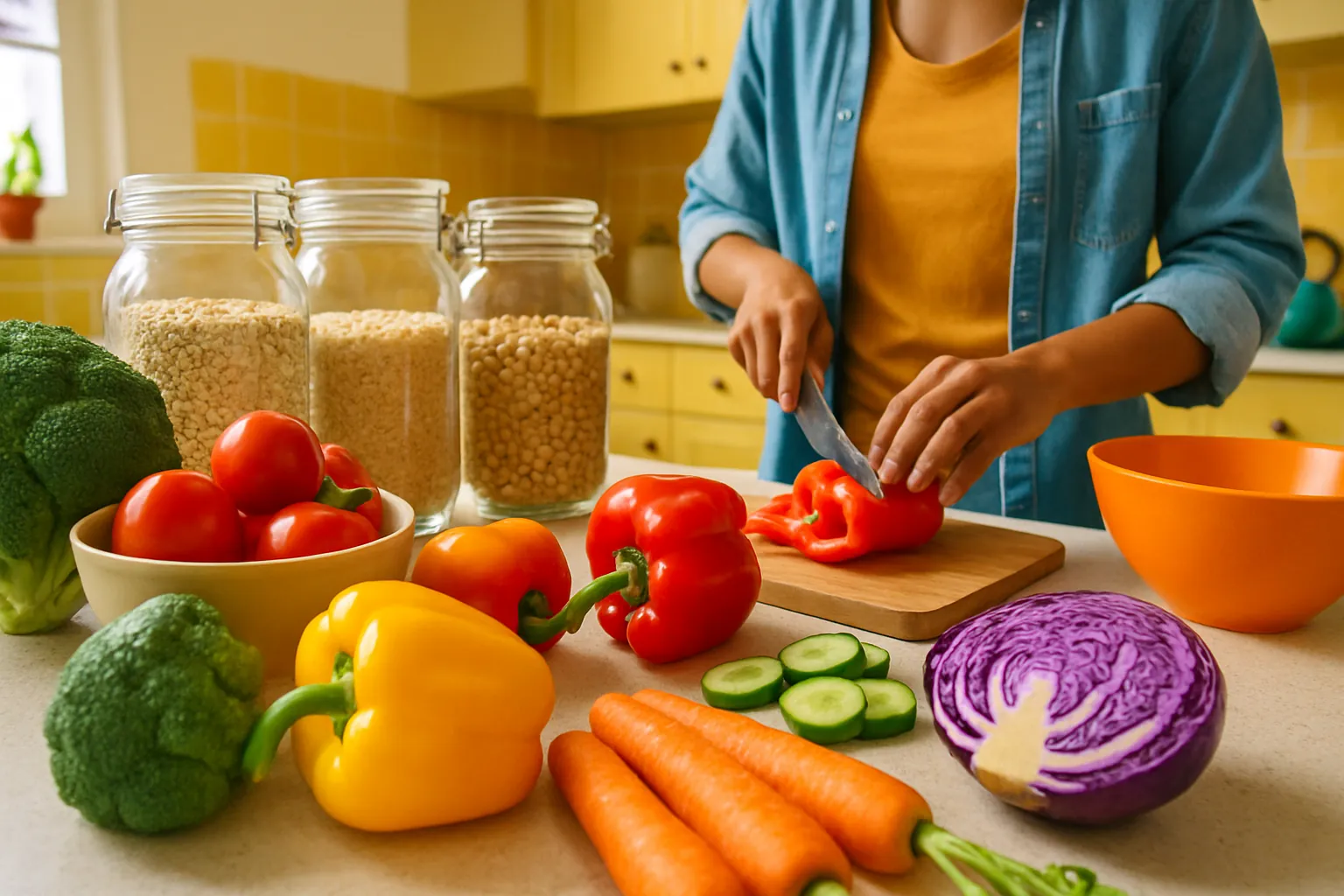
Proteins like chicken and beef can crush your budget these days. Try flexible meals that make veggies and beans the star! Instead of grilled chicken for taco night, load up with black beans, roasted veggies, and tangy salsa.
Incorporating meatless meals like veggie stir-fries and lentil soups a few times per week can dramatically reduce grocery bills. (Tight Bites)
Meatless Monday isn’t just healthy—it’s a proven way to cut $10-20 a week from your bill.
- Try swapping ground beef for lentils in sloppy joes.
- Stir-fry whatever veggies are on sale, add canned chickpeas, and serve over bulk rice.
Check your grocery store’s weekly flyers or savings apps like Flipp and Flashfood for the lowest-priced produce. Ready to eat green and save big? Add a veggie night to your meal plan right now.
2. Remix Leftovers with Batch Cooking Magic
Worried about leftovers sitting in the fridge? Flex meals make that a win, not waste. By cooking double batches of your family’s favorites—think pasta, soup, or casserole—you guarantee quick, cheap lunches and new dinners.
Cooking in larger batches and utilizing leftovers can save time and reduce food waste. (Goteso)
One big pot = two or three meals, cutting grocery runs and saving $30 a week for some families.
- Turn roasted chicken and veggies into tomorrow’s quesadillas or fried rice.
- Make extra chili, then serve over baked potatoes or wrapped in tortillas for lunch.
Stick a freezer bag in the fridge for “odd bits”—combine later into delicious frittatas or stir-fries. 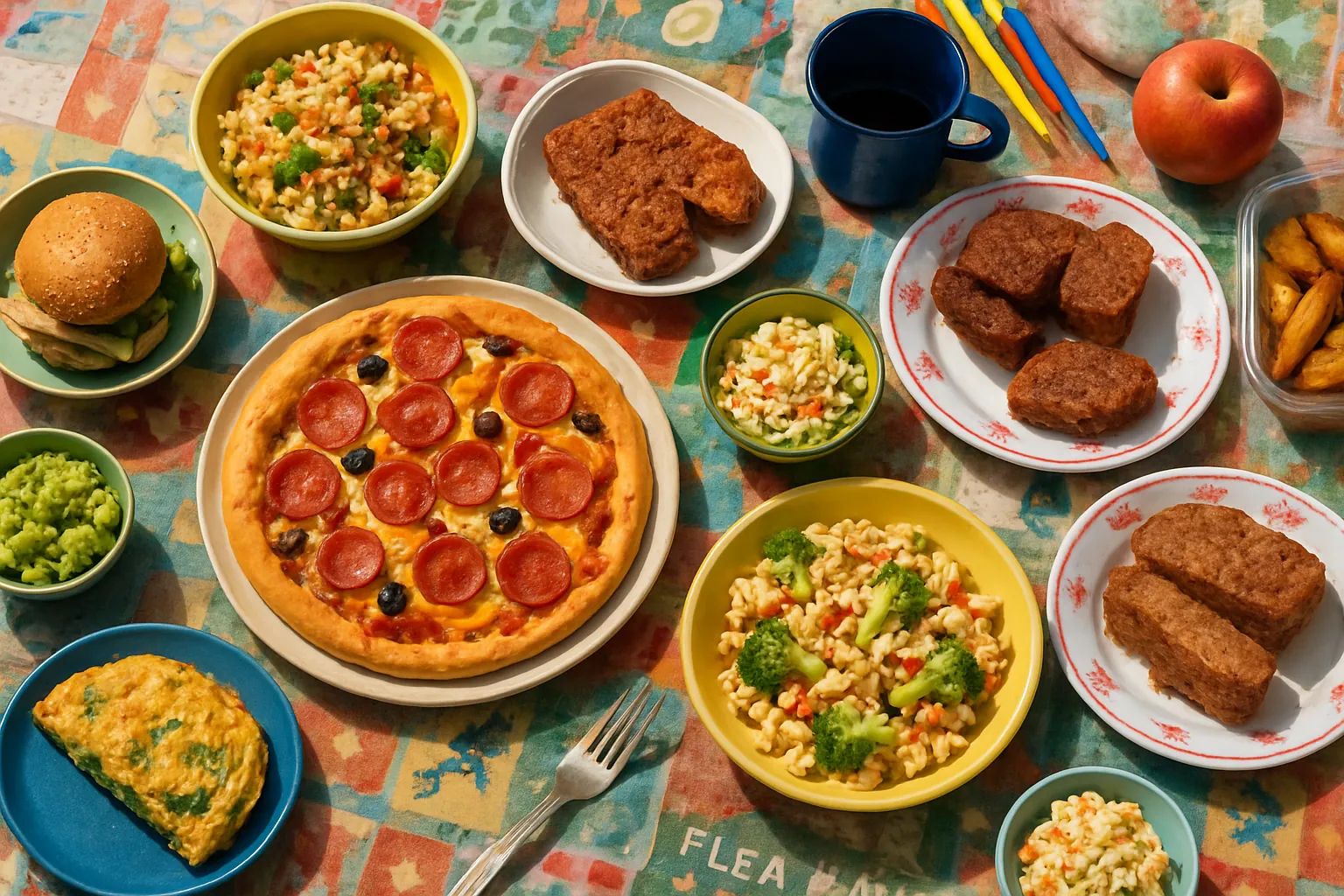
Time to batch-cook? Pick your family’s favorite and double it tonight!
3. Staple & Seasonal Swaps: Crunch Inflation at Checkout
Some ingredients are both budget-friendly and versatile. Buying rice, pasta, or canned goods in bulk—and swapping in whatever seasonal produce is cheapest—means more meals for less cash.
Planning meals around weekly sales and seasonal produce can significantly reduce grocery expenses. (DeliveryRank)
Shopping with a grocery list and eye for deals helps dodge impulse buys and targets the true bargains.
- Check your store’s sale flyer—swap pricey berries for whatever fruit is on sale.
- Join a CSA or hit the farmers’ market to unlock local veggie deals.
- Buy big bags of oats, rice, or flour—their price-per-meal is unbeatable.
Don’t forget apps like Ibotta to stack up additional cashback rewards. Each swap puts you closer to a lower total at the register—plan your next flex meal menu based on what’s cheapest this week!
Conclusion: Take Back Your Table (and Wallet!)
You don’t have to lose against inflation and tariffs every week. With these three strategic flex meal swaps—going meatless, remixing leftovers, and using bulk or seasonal staples—you can keep your grocery spend under control, enjoy more meal variety, and even reduce food waste. Start with just one swap at your next shopping trip and feel the difference in your wallet—and on your plate!