
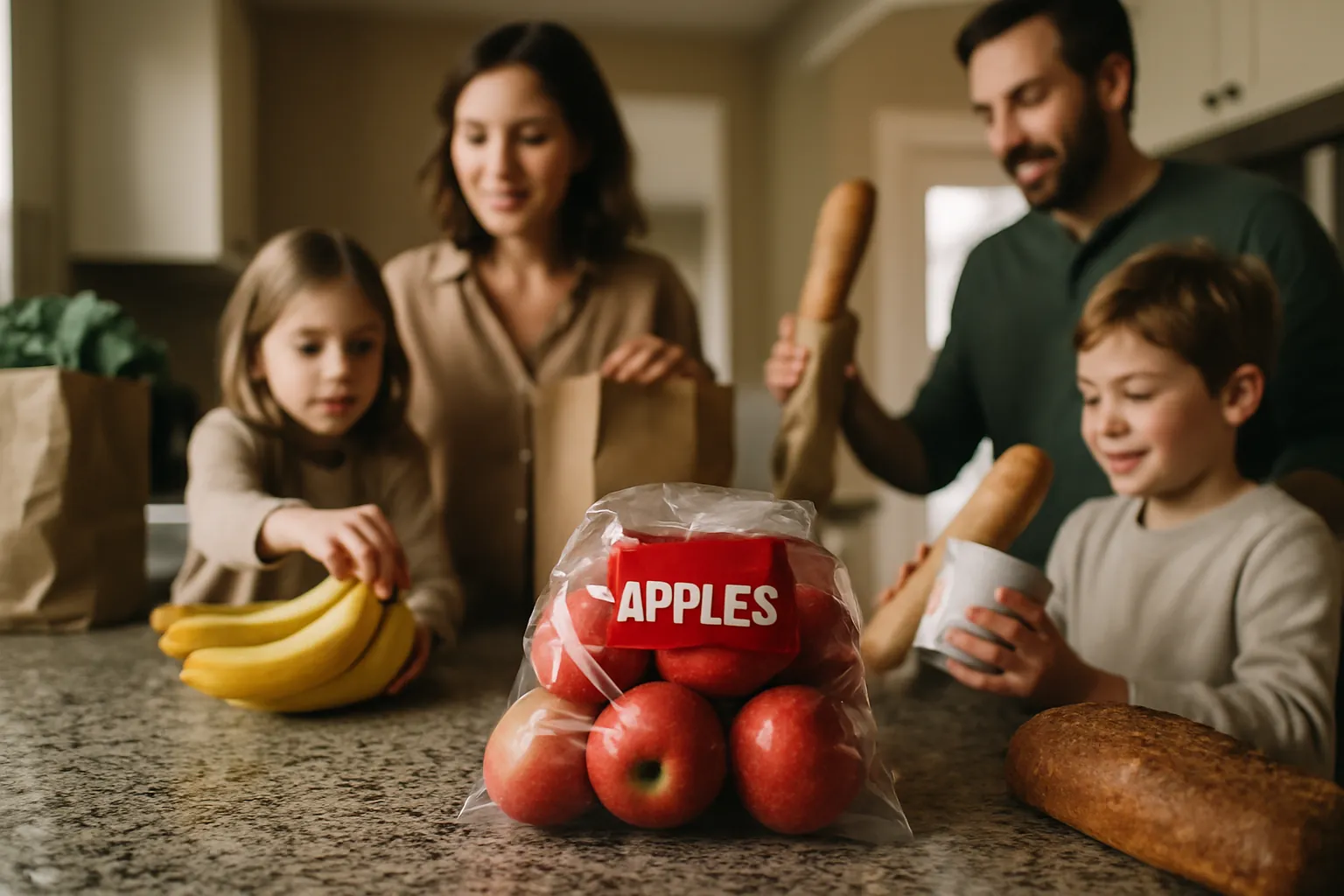
What Do Kids Really Learn From Dinner? Why ‘Family Meal Hacking’ Might Be the Secret to Bigger Savings and Better Life Skills
Back-to-school season is crunch time for busy families—and for many, mealtime can feel like just one more stressor. But smart parents are now flipping dinner into a secret training ground for money skills and family savings, right at their own table. Here’s how ‘family meal hacking’ is helping kids gain budgeting habits, kitchen confidence, and real-world smarts that last (even as food prices go up).
1. Making a “Meal Mission”: Let Kids Pick, Plan, and Shop
Every dinner starts with a question: What should we eat? Instead of just deciding yourself, give kids the power to plan just one meal each week. This doesn’t just build excitement—it sneakily teaches budgeting and decision-making.
“Letting kids pick meals and help with shopping teaches decision-making and budgeting skills.” (Barefoot Budgeting)
Set a simple rule: they must plan the meal and stick to a set budget in the grocery store. Take them shopping and let them compare prices for each ingredient.
- Give each child ‘meal leader’ duties for a week.
- Share the dinner budget and track spending as you shop.
- Encourage swaps—like pasta for rice—if budget runs short.
Takeaway: Handing over the menu (and the calculator!) lets kids learn the real value of money, one meal at a time.
Ready? Ask your kids what’s for dinner—then challenge them to price it out.
2. Kitchen Crew: Build Skills, Try New Things
Cooking isn’t just about eating—it’s a life skill every child will use. When kids help with slicing, measuring, or mixing, they’re learning practical math, how to follow instructions, and prepping healthy choices.
“Engaging children in cooking and meal preparation enhances their interest in different ingredients and teaches valuable life skills.” (Momma Chaos)
Make dinner prep a team event. Younger kids can wash veggies or stir, while older ones tackle recipes using super-simple cookbooks or visual recipe cards made just for beginners.
- Start with taco kits or pasta bowls to build confidence.
- Let kids handle a whole step—washing, measuring, or plating.
- Use recipe cards with big pictures for easy following. (Reality Pathing)
Takeaway: Every chopped carrot, measured cup, and finished dish boosts kids’ independence and skill for the real world.
Challenge for tonight: Let your child lead just one step—no matter their age!
3. Squeeze Every Dollar: Gamify Grocery Savings
With prices up, there’s extra power in making grocery savings visible. Set up a money jar labeled “Dinner Savings” or try a free grocery cashback app like Ibotta. Let kids scan receipts and watch your progress toward a shared family goal—like a pizza night!
“Apps like Ibotta let families save money on groceries and help kids track savings as a family team.” (Wikipedia)
Even simple budgeting jars—one for groceries, another for shared treats—show kids how to divide funds smartly.
- Pick an easy category (like “breakfast” or “snacks”) and see how much can be saved in a month.
- Use a chart to visualize savings progress toward a treat. (Reality Pathing)
- Use bold colors or stickers to make every milestone pop.
Takeaway: Tying real rewards to savings makes budgeting stick for little ones—and for you!

Get started: Download a cash-back app tonight, or set up your “Family Savings Jar” for next week’s shop.
4. Make It Visible: Menu Boards and Apps Tie It All Together
The secret to long-term meal success? Keep it simple and visible. Hang a chalkboard for dinner ideas, or try a family-friendly meal app such as Paprika to share grocery lists and plans. Let kids vote on favorites and cross out meals as you eat them!
“Kid-friendly menu boards and easy meal-planner apps help kids get excited about what’s next—and keep families organized.” (Wikipedia)
With everything in sight, everyone stays on track—and kids get a sneak peek at organizing for life.
- Use recipe cards or a wipe-off board for meal choices.
- Try week-long challenges, like “Meatless Monday” or “Surprise Ingredient Night.”
- Choose one new meal to try each week—give kids extra points for cooking it!
Takeaway: Making meal plans visible keeps everyone involved and ready for what’s next.
Your move: Have each family member jot down one meal idea tonight for the board or app.
Conclusion
Supper isn’t just about food, especially as prices climb—it’s the classroom for money sense, teamwork, and “real life” wins. When you hand kids the dinner reins, give them a voice at the table, and make budgeting visible, you turn every meal into a life lesson (and a sneaky chance to save more cash). Start small: Invite your child to pick a meal this week, and watch their skills grow with every bite.