
Tariff Turmoil and Inflation: How Americans Can Still Save on Groceries This Spring
Grocery shopping in America is getting a shakeup. New tariffs on imported foods—like fruits, vegetables, coffee, and even popular beverages—mean grocery bills are expected to climb this spring. With global inflation already biting into our wallets, these trade rules may leave many families wondering how to keep their kitchen stocked without overspending.
But here’s the good news: not every food gets more expensive! Some key grocery items, especially ones grown right here in the U.S., are still wallet-friendly. If you get a little creative with your shopping list, there are real ways to dodge the worst price hikes, keep meals interesting, and even discover some surprising savings.
What’s Behind the Grocery Price Hikes—and Which Foods Are Spared?
Tariffs are taxes the government puts on imported products to make them more expensive, often as a response to trade disputes. This spring, the U.S. increased tariffs on goods from big trade partners like Mexico, China, and Canada. This has hit some foods especially hard—think avocados, strawberries, coffee, and olive oil. Foods coming from outside the country are now pricier for stores to buy, and those extra costs get passed to you at the checkout.
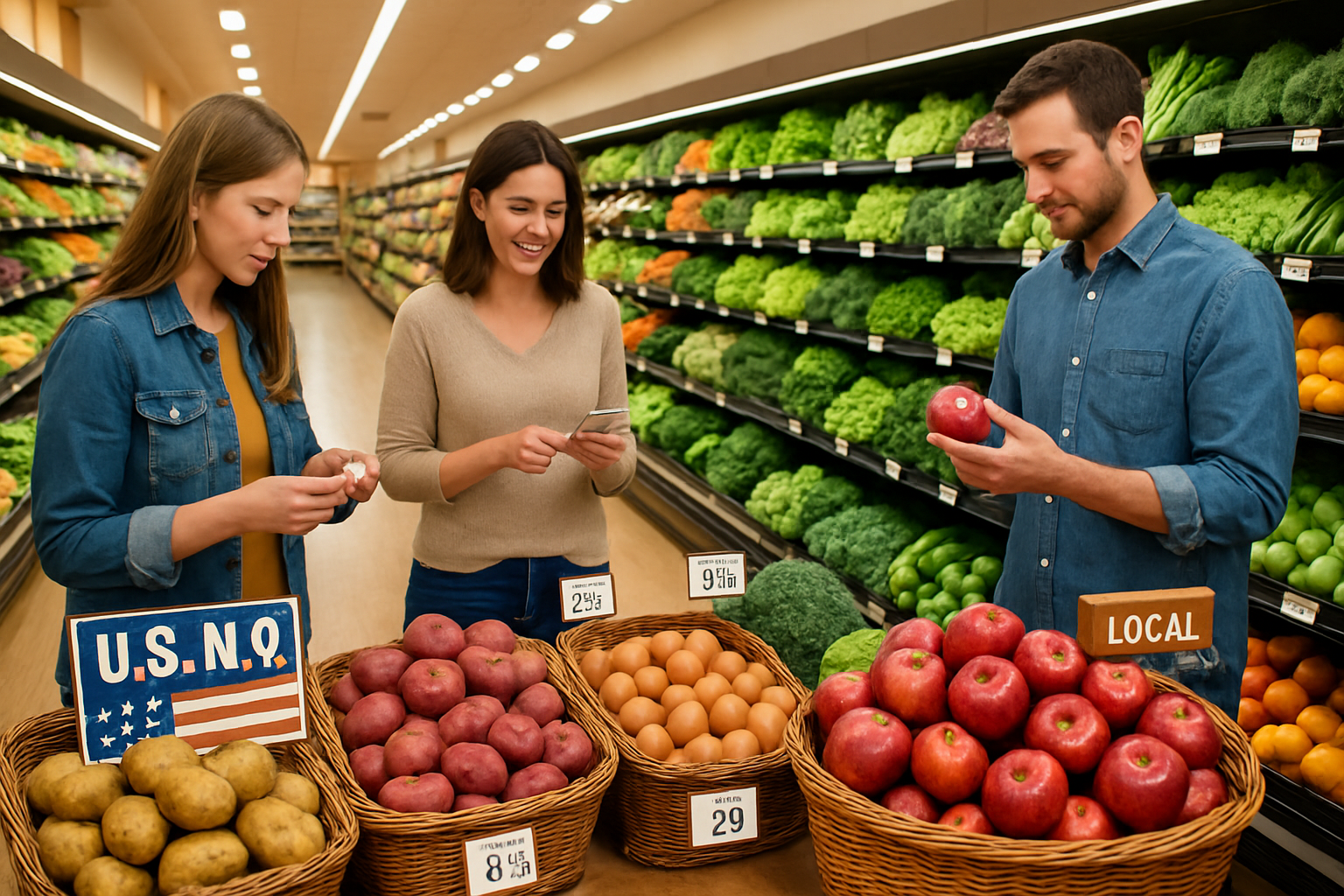
But not everything in your cart is at risk for a price jump. Many domestically grown foods, like potatoes, eggs, U.S.-produced cheese, and California or Oregon wines, are not affected by these new trade barriers. Because farmers don’t have to pay extra fees to bring these products to market, their prices have remained steady or even dropped in some cases. According to an Eat This grocery survey, shoppers found local potatoes and eggs still affordable, even as imports climbed.
It can be helpful to know where your food comes from. Look for stickers, packaging, or shelf signs that list the country of origin. “When new tariffs hit, it pays to be label-savvy. If you see a U.S. state on the package, it likely means fewer price surprises,” said a retail analyst at Eat This.
“Avocados and strawberries are the poster children for tariff impacts. With a 25% increase on certain Mexican imports, consumers report paying $1–$2 more per pound compared to last year.” — GroceryDive.com
While imported wines, olive oil, and some cheeses are already getting more expensive, shoppers are seeing stable (or even lower) prices on store-brand basics, U.S. chicken, and frozen produce grown domestically. Some stores are expanding their private-label and local products to help families avoid tariff-driven price spikes.
Next steps for shoppers: On your next trip, compare prices of similar foods from U.S. and international sources. Try local brands or ask at the store about “U.S.-grown” or “domestic” options. Swapping an imported cheese for a Wisconsin variety, or picking Northwest apples over imported citrus, can add up to real savings over a month.
Smart Shopping Strategies: How to Fight Back Against Rising Prices
So, tariffs are driving up costs—but there are steps you can take right away to soften the blow. First, keep an eye out for sales on items that are in high demand. Supermarkets often run in-store specials on U.S.-grown produce or protein as a way to keep shoppers happy. Bulk-buying basics like rice, oats, or canned beans can also help you pay less per meal. Many of these foods are grown here at home and are not hit with new import tariffs.
Compare unit prices when you shop. Sometimes, the big bag or multi-pack really does come out cheaper per serving. For example, a five-pound sack of domestic potatoes can make several meals for under $5, while a single imported avocado might cost almost that much alone with new tariffs in effect.
You can also rethink your recipes. If you notice the price of avocados or imported berries jumping, swap in lower-cost options like apples, bananas, or carrots, which remain affordable. “I’ve started planning meals around what’s on sale or what’s from local farms. Some weeks, it just makes sense to cook more potatoes or eggs instead of pricier out-of-season produce,” one budget-minded shopper in Bellingham, WA, shared with the Bellingham Herald.
“There’s no shame in switching brands or changing your meals for the week. Flexibility is your wallet’s best friend when prices are this wild.” — EatingWell.com
Don’t forget store loyalty programs and digital coupons. These programs often feature domestic foods or private labels, allowing you to stack extra discounts on top of already-stable prices. Stores themselves are tweaking inventory to stock more tariff-proof products—a trend you can use to your advantage.
Bigger families or those with storage space can benefit from warehouse clubs like Costco or Sam’s Club, but be aware that some club items (like imported olive oil, tequila, or certain frozen seafood) are likely to see the first—and steepest—price jumps. Stick to U.S. meats, eggs, dairy, and shelf-stable carbs for consistent value.
Next steps for shoppers: Before you shop, check your favorite grocer’s app or website for special deals and compare prices between stores. Try making a flexible shopping list so you can pivot if you see a better deal in the produce or meat aisles. Over time, these habits can shield your budget from tariff-triggered inflation.
Stretch Your Dollars: Food Swaps, Local Shares, and Other Creative Savings
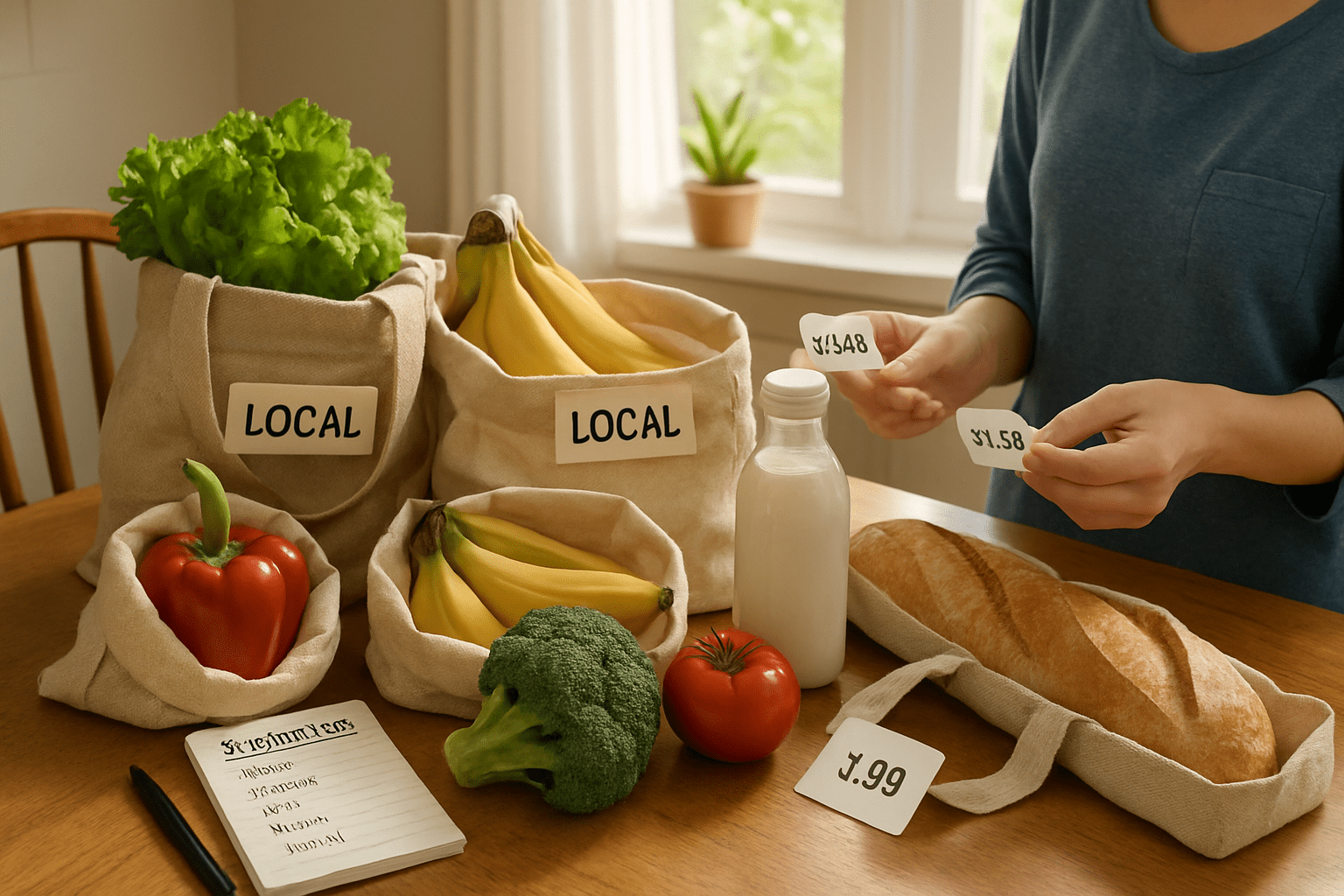
What if you want to save even more and avoid the foods getting priciest? There are creative strategies to help—not just for now, but whenever prices get bumpy. One option picking up steam is “CSA” (Community Supported Agriculture) subscriptions. With a CSA, you pay a farm directly, then get a box of locally grown produce each week. Because you’re buying straight from the source, you skip import fees and get fresh food at a lower price per pound.
Another tip: swap imported snacks for American-made alternatives. For example, with imported chips or chocolates becoming expensive, check out store brands or U.S.-made snacks for better prices and similar flavors. Swapping a French wine for a California one or a Spanish olive oil for a domestic brand can also stretch your grocery money without giving up what you love.
Food swaps don’t mean sacrificing variety or taste. Try exploring U.S. grains or beans you haven’t cooked with much before. For instance, lentils, barley, or chickpeas are grown throughout the Midwest and combine well with seasonal U.S. veggies. “It’s like discovering a new menu right in your own backyard,” a shopper in San Francisco told KRON4 News.
“Tariffs may impact your favorite imports, but local foods and creative planning can turn a tough spot into an opportunity. Your grocery list just needs a little pivot.” — EatingWell.com
Don’t forget that sometimes, a little teamwork goes a long way. Join up with neighbors or family members to buy bulk foods together, split the packages, and divvy up fresh produce at better per-person prices. Many local shops also offer ‘ugly’ produce at discounts—these are just fruits or veggies that look funny but are just as tasty and nutritious.
Next steps for shoppers: Ask your grocer about joining a local farm box delivery or check sites like LocalHarvest to find a CSA near you. Embrace food swaps: if something on your list is sky-high, try a new domestic alternative. Partner up with friends or family for occasional bulk buys or veggie splits—they can make the difference in your grocery budget this spring.