

Student Loan Debt in 2025: Why 1 in 5 Are Late and How Borrowers Can Regain Control
Right now, about 9 million Americans have fallen behind on their federal student loan payments, and the fallout could get even tougher this year. If you or someone you know is worried about late payments, confusing program changes, or the threat of wage garnishment, you’re not alone. Let’s break down why so many borrowers are struggling this year, what risks come with missing payments, and—most importantly—how you can take back control.
Why So Many Borrowers Are Behind: Understanding the Causes
It’s not hard to see why nearly 1 in 5 student loan borrowers are currently late on their payments in 2025. After a long pause due to the pandemic, federal student loan payments restarted in a complicated way, leaving millions confused about when (and how much) to pay. If you’re seeing a late notice in your inbox, you’re part of a major trend this year—and understanding the causes can help you find your next steps.
The latest data from the U.S. Department of Education shows that as of early May 2025, about 9.7 million Americans are at risk of involuntary collections because they’ve missed payments for 270 days or more. That means the government can start actions like taking money directly from your paycheck or withholding your tax refund after May 5, 2025.
“Many people had trouble figuring out new payment plans and deadlines after years of no required payments,” explains student debt expert Mark Kantrowitz. “It led to confusion, missed notices, and delayed responses from servicers.”
Besides confusion, there are other key reasons so many are struggling to keep up:
- Unclear communication: Notices from loan servicers have been hard to read and easy to miss, especially when coming by email or mail after years of silence.
- Changing repayment options: With courts blocking or delaying new repayment programs like the Biden administration’s SAVE Plan, many borrowers aren’t sure what plan they qualify for or which option to pick.
- Financial hardship: Some borrowers who got by during the payment pause are now dealing with inflation, high childcare, or unexpected bills, making it even harder to budget for student loans.
Tip: Sign up for account alerts and check your loan servicer’s portal at least once a month—this simple step can help catch issues before they grow.
If you’re late on payments, there’s still time to act before things get worse. The next section explains why catching up now could save you money and headaches down the road.
The Cost of Missing Payments—and What to Do If You’re Behind
Many people think that being a few days or even a month late on a student loan isn’t a big deal. But the risks get serious the longer you wait. Here’s what happens if you let your student loans go unpaid, and what steps you can take right now to protect your financial future.
If you miss a payment, your account goes into “delinquency.” If you stay in delinquency for 270 days (around nine months), your loan officially goes into “default.” That’s when the government can jump in with involuntary collections: they can garnish your wages or tap your tax refund, which may shrink your paycheck or your spring refund check without warning.
“Once a federal student loan is in default, your credit can take a major hit, closing the doors to new credit cards or lower-rate loans,” says Bruce McClary from the National Foundation for Credit Counseling.
Another danger: Your credit score may drop by dozens of points. This makes it harder (and more expensive) to get a car loan, rent an apartment, or even qualify for a cell phone plan. Late payments stay on your credit history for years.
But here’s the good news: It’s not too late to fix things. The Department of Education has reopened applications for income-driven repayment (IDR) plans, which let you lower your payments based on your current income and family size. These plans can reset the clock, get you back in good standing, and even set you up for eventual loan forgiveness after 20 or 25 years of payments.
- Contact your loan servicer right away if you’re behind—don’t wait for collections to start.
- Ask to enroll in an IDR plan or see if you qualify for programs like Public Service Loan Forgiveness (PSLF) or Teacher Loan Forgiveness.
- Explore forbearance or deferment if you have a temporary hardship, but remember: Interest may still build up during these pauses.
Tip: Keep records of every call or message with your servicer so you have proof of your efforts if anything gets lost in the shuffle.
You have more options than you might think—even if you’ve missed payments or fallen into default. In the next part, we reveal how to make smart choices on picking (or switching) the right repayment plan for you.
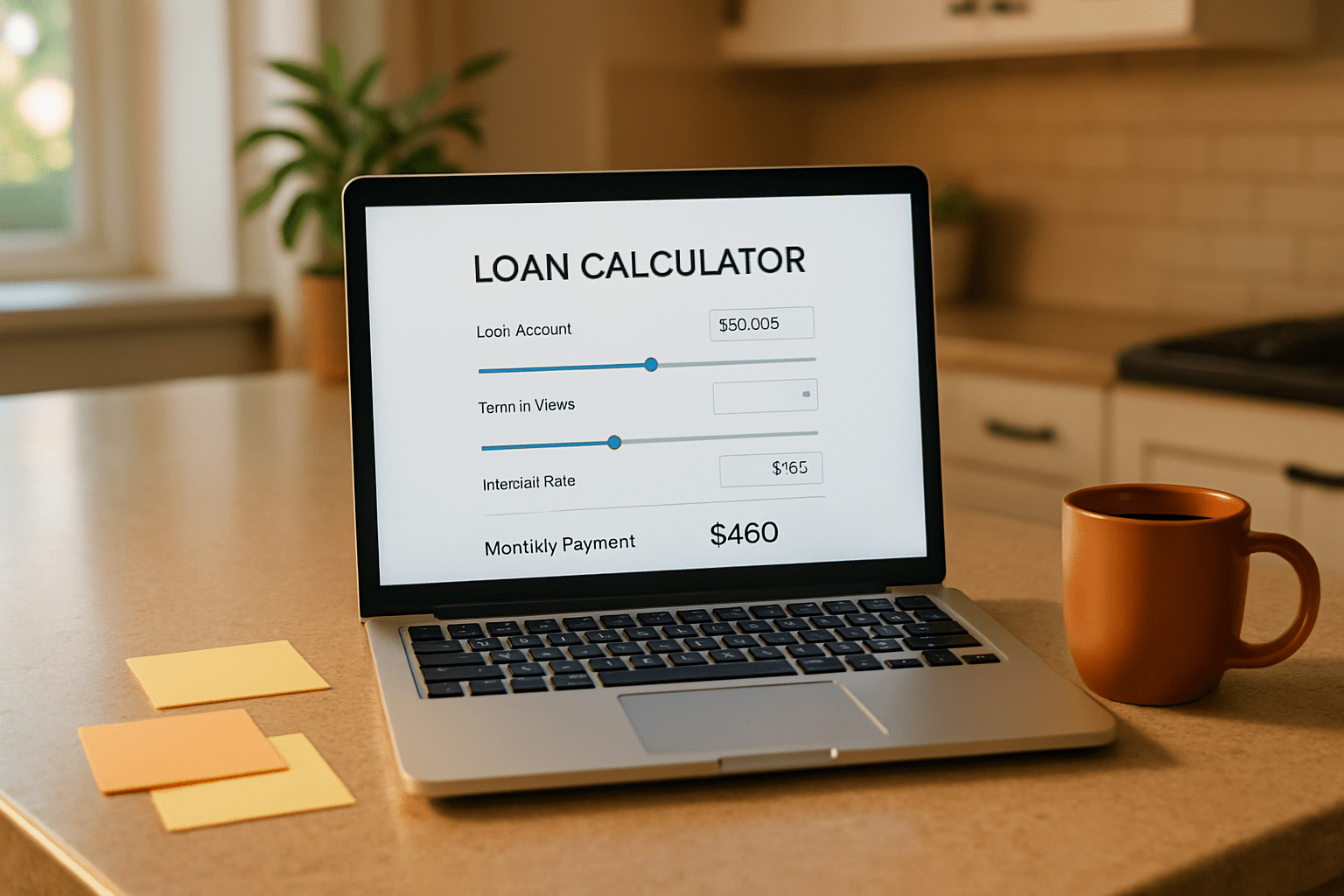
How to Pick the Best Repayment Plan (and Forgiveness Options) in 2025
If you’re feeling lost with all the headlines about new rules, blocked programs, and shifting policies—it’s not just you. The landscape for student loans is changing almost monthly in 2025. Here’s how you can take charge by picking the right repayment plan and learning about debt relief programs that could forgive your balance.
This year, more borrowers than ever could benefit from repayment help. For example, new proposals from the Biden administration would offer loan forgiveness to about 8 million people dealing with major financial hardship, like big medical bills or childcare expenses. But not all programs are open or running smoothly because of court decisions—so it pays to check your eligibility often.
“Programs like PSLF or Teacher Loan Forgiveness can wipe out thousands in debt, but only if you meet the job and payment requirements,” says Ryan Lane, a student loan specialist at NerdWallet. “Keeping paperwork up-to-date and following the rules makes all the difference.”
Here are four main forgiveness programs available right now:
- Income-Driven Repayment (IDR) Forgiveness: Pay a portion of your income for 20–25 years, then any leftover balance may be wiped away.
- Public Service Loan Forgiveness (PSLF): For those in government or nonprofit jobs. Make 120 on-time payments under an IDR plan to get the rest forgiven.
- Teacher Loan Forgiveness: Teachers working five years in low-income schools can get up to $17,500 canceled.
- Borrower Defense to Repayment: If your school misled you or broke certain laws, you may qualify for complete loan cancellation.
Tip: Double-check your application—mistakes or missing documents can delay or deny your forgiveness. If you’re not sure which program fits, your loan servicer and free government websites can help you compare options in plain language.
Switching plans can also lower your payments. These plans adjust if your income changes—a helpful tool if you’ve lost a job or faced a pay cut. Be sure to update your income and family information every year, or your payments could jump.
Borrowers should watch for news on blocked programs (like the SAVE plan) and check back often as court rulings could change what options are available. Staying informed—and taking small steps to organize your loan paperwork and payments—can pay off big over time.
Next steps:
- Review your loan details at studentaid.gov
- Set reminders for annual IDR recertification
- Bookmark student loan news sources, or sign up for government updates
- If confused, ask for help—don’t go it alone!
Facing student loan debt can feel overwhelming, but with the 2025 changes, you have more options than ever. A few smart moves now could save you thousands—and put you back on track for your future.