

Mortgage Rates Climb to 7.1% in April as Tariffs and Bond Market Volatility Shake Up Homebuying Plans
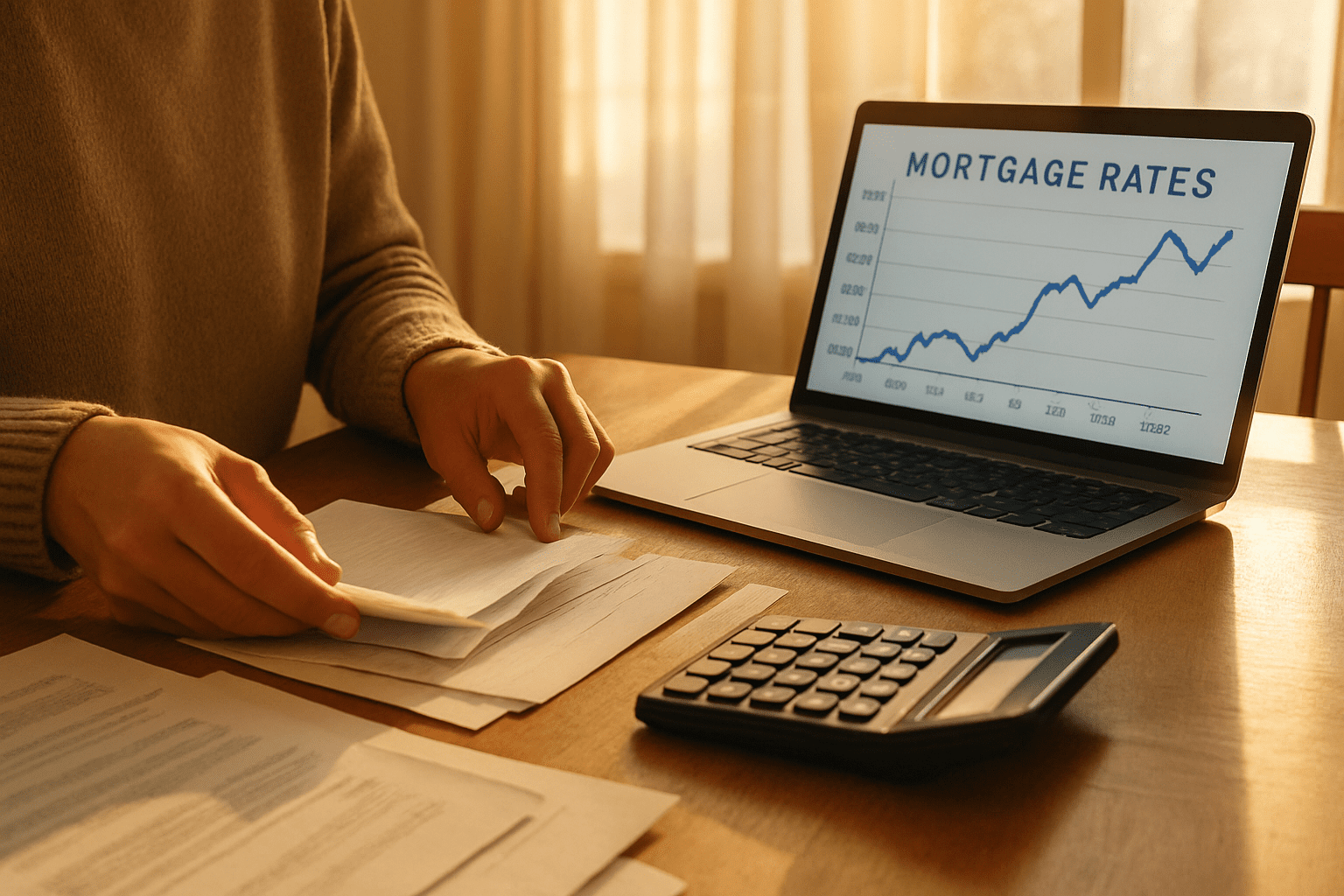
If you’re watching the housing market this spring, you’ve likely noticed headlines about mortgage rates jumping and home shopping getting harder. In April, rates touched a two-month high of 7.1%—a number we haven’t seen in a while—and buyers everywhere are dealing with bigger monthly payments than last year. Even though recent weeks brought a little relief, with average rates dipping to 6.76% by May 1, many would-be homeowners face real challenges: unpredictable rates, tariffs shaking up markets, and houses in short supply. Let’s break down what’s causing these swings, what it means for borrowers in the real world, and what you can do to keep your homebuying dreams on track.
Why Are Mortgage Rates So High? Understanding the Big Drivers
This spring, mortgage rates jumped mainly because of bond market volatility and new trade tariffs. Tariffs—basically, extra taxes on goods coming into the country—can spark worries about inflation. That often pushes investors to demand higher returns for government bonds. Since mortgage rates often follow the direction of these bonds, rates for home loans tend to go up whenever bond yields rise. It’s a bit like an echo: what happens on Wall Street eventually makes waves on Main Street.
Another big factor is inflation itself. When the cost of goods and services rises faster than expected, the Federal Reserve (America’s central bank) may keep interest rates high, hoping to slow spending down. This chain reaction filters all the way to mortgage rates. As Reuters reported, the National Association of Realtors predicts the average 30-year fixed mortgage rate will hover around 6.0% throughout 2025—down from the current numbers but still higher than most homeowners locked in during the pandemic era.
“Mortgage rates hit a two-month high at 7.1% due to trade tariffs and inflation data, causing volatility and concerns about the housing market.” – Benzinga.com
Even with short-term dips, it’s tough for buyers to catch a break while so much is in flux. Many people feel stuck: they’re unsure if rates will drop, but also afraid of missing out if home prices rise. Politicians have jumped in, too, with former President Donald Trump saying he knows more about interest rates than Fed Chairman Jerome Powell and pushing for rates to fall even faster. But for most families, the debate in Washington is just background noise compared to the reality on their monthly budget.
Tip: If you spot a rate you like, consider working with your lender to “lock in” your rate—this means you’ll get that exact percentage even if rates jump before you close. It’s like setting your cruise control on the highway before a big hill—steady and predictable.
Next steps: Stay informed about rate trends, but don’t stress over timing the absolute lowest point. Focus on what you can comfortably afford today, and talk to lenders about how long your rate lock lasts before you sign.
How Today’s Rates Affect Buyers and Sellers in the Real World
The jump to 7.1% for a 30-year fixed mortgage in April meant bigger monthly payments for buyers—and for many, it put favorite homes just out of reach. To show how this works, let’s look at a quick example. Imagine you’re borrowing $350,000. At last year’s 5.5% rate, your principal and interest payment would have been about $1,988 a month. At 7.1%, the same loan jumps to roughly $2,357 a month. That’s over $4,400 more per year, just from the rate increasing! For many families, that can be the difference between stretching their budget and sitting on the sidelines.
The elevated rates aren’t just tough for buyers—they also squeeze sellers. A lot of homeowners locked in rates around 3% or 4% during 2020–2021, and they’re now reluctant to sell and take on a much higher mortgage for their next home. That means fewer houses are listed, making the housing supply tight. This limited inventory drives up competition and keeps home prices high even as borrowing costs go up. According to the National Association of Realtors, we could see existing home sales hit 4.5 million in 2025, and the median price is forecasted to reach about $410,700.
“If buyers need to move and can afford it, they should proceed without attempting to time the market.” – Kiplinger.com
With fewer homes on the market, buyers need to be flexible and decisive. Instead of holding out for the perfect moment or price, many are focusing on what’s available now—and how they can make their offer stand out. But remember: just because “everyone else is doing it” doesn’t mean you should push past your comfort zone. Sometimes it’s better to wait or look at different neighborhoods or types of homes.
Next steps: Get pre-approved for a mortgage so you know your budget—and lock in your rate early if you can. Consider looking at smaller homes, different locations, or even fixer-uppers if you’re being priced out. And always keep an eye on your total monthly payment, not just the sticker price.
Practical Strategies for Shopping in a Shaky Mortgage Market
What can buyers do when rates rise faster than expected, and most homes sell quickly? Start with what’s in your control. Boosting your credit score and reducing your debt can help you qualify for better rates, even in a high-rate environment. A higher credit score shows lenders you’re a safe bet, so they’re more likely to offer lower rates or better loan terms.
Here’s how to strengthen your position, step by step:
- Check your credit: Get free reports from all three major bureaus and fix any mistakes. Even small credit errors can raise your rates!
- Pay down credit cards: The less you owe, the better your debt-to-income ratio looks to lenders, which can mean better terms.
- Shop around for lenders: Don’t settle for the first offer—different lenders sometimes have more competitive rates or closing costs.
- Ask about discount points: Some buyers pay extra at closing to “buy down” their interest rate a little, which can save money if you plan to keep the loan for many years.
“Small changes in your credit score or down payment can have a bigger impact on your monthly payments than you might expect.” – DollarSense tip
If you’re already a homeowner, refinancing may not make sense unless rates drop much further—so weigh the up-front costs carefully. For renters, start building your credit and saving for a down payment. Even a few hundred dollars set aside each month can add up over time.
Next steps: Plug your numbers into an online mortgage calculator, experiment with different down payment sizes, and talk to at least two or three lenders. Look for special programs for first-time buyers or those with moderate incomes—they can offer lower rates or help with closing costs.