
Stop Burning Money—Your Electronics Are Sneaking Dollars Out the Door
Ever wonder why your energy bill feels a little high—even when you’re careful? The culprits might be hiding in plain sight: those electronics and appliances that quietly eat up power, even when you think they’re off. This invisible “phantom load” could be costing your family $50, $100, or even $150 a year. Here’s how to find the leaks and start saving today, step-by-step.
1. Hunt Down the Hidden Power Hogs
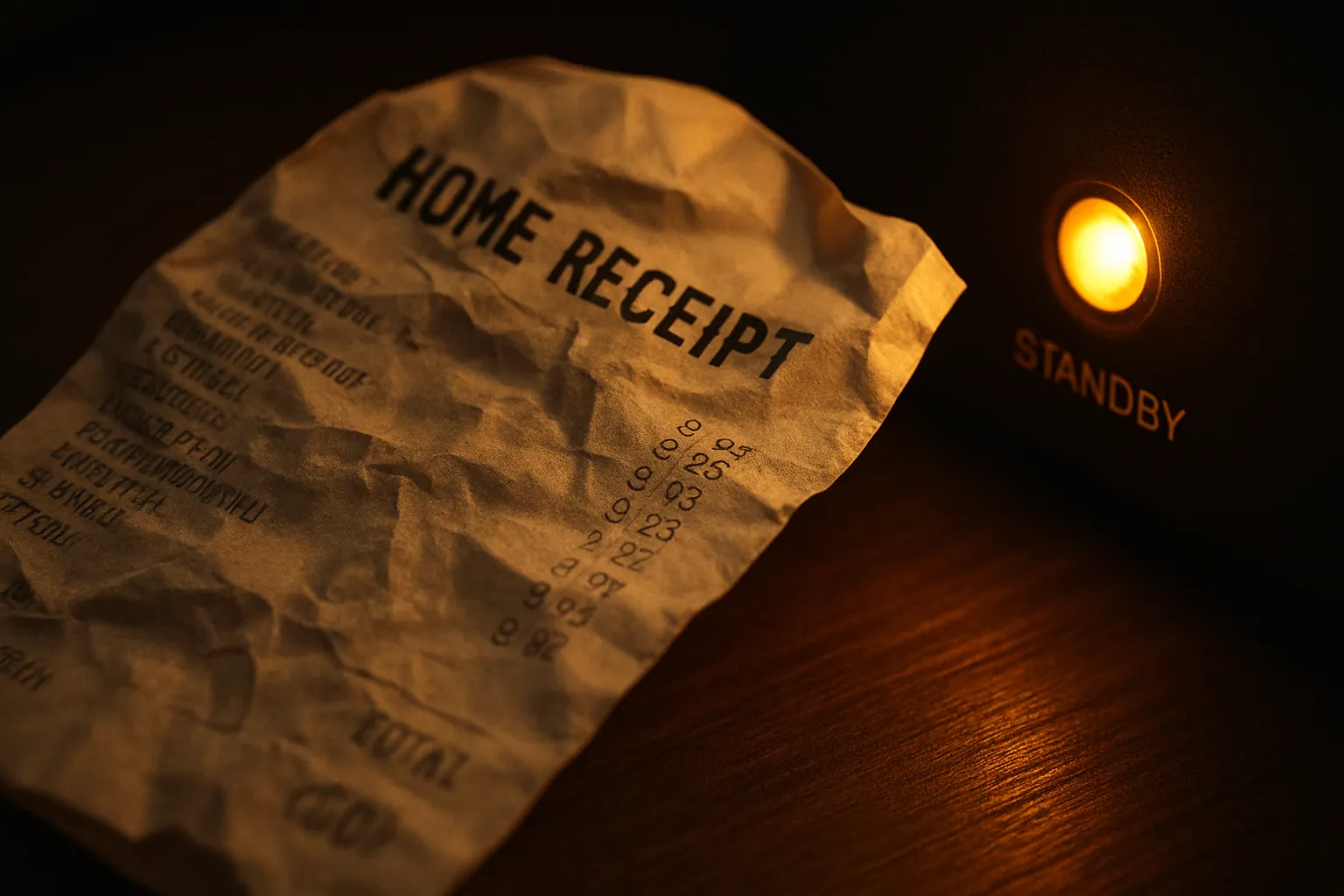
Phantom load means electronics sipping energy 24/7—even when turned off. Common culprits? Anything with a little red standby light, a digital clock, or a remote control. TVs, gaming consoles, cable boxes, printers, and even coffee makers can be surprisingly greedy about idle electricity.
“In the average home, more than 50% of the electricity used to power electronics is consumed while the devices are turned off.” (JEA)
- Walk room-to-room and spot anything with a glowing light, clock, or touchpad.
- Don’t forget chargers left in the wall—if it’s warm, it’s still drawing power.
Every unused plug is a mini money leak—hunt them down today.
Take 15 minutes tonight to find and list every potential phantom load in your home.
2. Unplug or Power Down the Real Energy Vampires
You don’t have to unplug the fridge. But the TV in the guest room or that blender you use once a week? Easy targets.
“Unplugging devices, especially those not used daily, can lower bills and extend electronic lifespan.” (Tom’s Guide)
- Pile all your plug-in gadgets together, and mark which ones you use every day.
- For others, unplug after each use—or plug them into a single power strip you can flip off.
- Remember: even bathroom stuff (electric toothbrush, hair tools) could be quietly burning dollars.
The less you use it, the more sense it makes to unplug it.
Try unplugging three things today—it adds up to savings over weeks and months.
3. Upgrade to Smart Power Strips and Maximize Savings
If unplugging everything feels impossible, there’s a clever fix: smart power strips. These detect when a device goes into standby or isn’t in use and automatically cut off its power supply.
“Smart power strips can detect when a device is in standby mode and cut off power, preventing unnecessary energy consumption.” (U.S. Department of Energy)
- Replace old power strips under TVs or desk setups with a smart version.
- Make sure to pick “true” smart strips—some cheaper models don’t cut all standby drain.
- Plug multiple devices into one strip to control them with a single switch.
One smart strip can save you up to $50 a year in some rooms alone.
Check your main entertainment or work zone and swap in a smart strip this week. 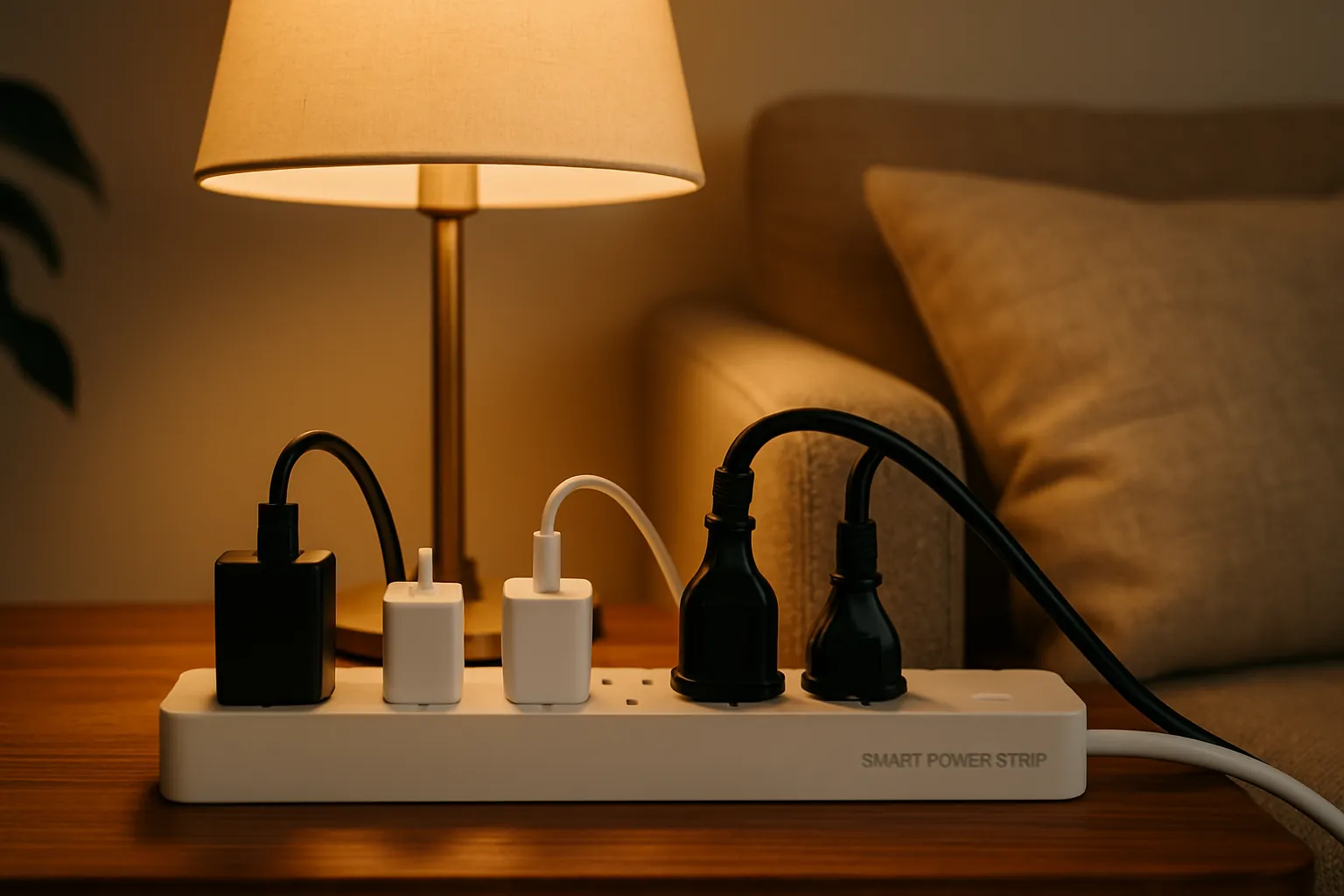
4. Make ‘Phantom Load Sweeps’ a Habit
Catching these money leaks once is good—but doing it every season is better. Phantom loads creep back over time as we add electronics and forget old habits.
“Setting a calendar reminder to perform a phantom load sweep every season can lead to compounding savings over time.” (Green Ambassador Challenge)
- Set a quarterly calendar reminder labeled “Phantom Load Sweep.”
- Update your list: anything new plugged in or old that could be unplugged?
- Talk family or roommates through the changes to keep everyone saving.
Think of this sweep as a seasonal pay raise—tiny efforts, big impact.
Set your first reminder today; it’ll keep your bills—and your stress—down for good.
5. Real Savings: How Much Can You Actually Keep?
Cutting phantom loads trims up to 10% off your electric bill—the average American home is paying $50–$150 a year for ‘off’ power. Nationwide, that’s a $3 billion waste.
“Standby power, also known as phantom load, can account for up to 10% of a home’s energy use.” (Tom’s Guide)
- Check your bill: subtract up to 10%—that’s your phantom load target.
- Every small unplug adds up. Over a year, this can mean groceries, school supplies, or winter heating help.
The sooner you start, the more you save—put those rescued dollars to work elsewhere in your budget.
Compare last year’s bill to this one after a month of tackling phantom load and watch the difference.
Wrap-Up: Turn Off the Drain, Turn Up the Savings
Phantom load might sound spooky, but beating it is simple. Audit your electronics, unplug what you can, use smart strips for the rest, and repeat the sweep every season. This week’s small habits could save your home $50–$150 a year—no fancy gadgets required. Get started now: spot three unplug candidates and set a “Phantom Load Sweep” calendar alert. Your wallet will notice the difference by next bill cycle.