

Home Prices Rising at 3–4% Annually—Why Buying Now Could Help Homebuyers Build Equity Faster
If you’re dreaming of owning a home, the next few years could be a crucial window. Industry experts forecast that U.S. home prices will rise about 3–4% each year through 2029. That means the longer you wait, the more you may end up paying—and the harder it can be to get ahead. But what does this mean for real people? Is now really the right time to buy, or should you wait? Let’s break down what’s happening in the housing market, what it could mean for your finances, and how to approach this big decision.
Understanding the Projected Rise: Why Home Prices Keep Going Up
Many first-time buyers are anxious about home prices. It’s easy to feel like costs are stuck on a one-way path up. According to leading forecasts, home values are expected to climb by 17% from 2024 levels by 2029—a steady and meaningful increase rather than the wild spikes seen a few years ago. This kind of year-after-year rise, about 3% or 4% each year, adds up. For example, a $350,000 house today could cost closer to $410,000 in just five years if these predictions hold.
If that worries you, you’re not alone. But keep in mind, a steadier rise in prices can actually help homebuyers build wealth.
“Every mortgage payment you make chips away at your loan, while your home’s value slowly climbs. Over time, that’s equity you own,” explains a housing economics analyst interviewed by U.S. News.
The opportunity here is a bit like planting a tree today—waiting longer just means starting your growth later.
Tip: Equity is the money you’d walk away with if you sold your home and paid off your loan, and rising prices usually mean more equity, especially if you’re paying down your mortgage month after month.
But it’s not all good news—rising prices make it harder to save up for a down payment, and payments may be higher if you wait. Still, experts say the current outlook is more stable than in recent years, which means less risk of sudden drops or spikes.
Next steps for you:
- Check home values in your target area and see how much prices have moved recently
- Calculate how much a 3–4% yearly increase would mean for your budget after one, three, or five years
- Think about how long you plan to stay in your home—equity grows with time
How Mortgage Rates and Loan Options Can Work in Your Favor
Buying a home isn’t just about the sticker price. Your biggest monthly cost will probably be your mortgage, so understanding rates is key. The National Association of Realtors (NAR) expects the 30-year fixed mortgage rate will average around 6% in 2025. That’s a lot lower than some of the peaks from the last two years but higher than the historic lows during the pandemic.
Here’s why this matters: Even small changes in interest rates can mean big differences in your monthly payment. For every $100,000 you borrow, a 1% change in the interest rate changes your payment by roughly $60–65 per month. That adds up over time!
“Locking in a mortgage rate sooner rather than later could help you avoid higher costs if rates rise, but you should always compare lenders,” advises a Pittsburgh-based real estate broker featured in recent ads seen across the city.
Tip: Always shop around with at least three mortgage lenders—they don’t all offer the same rates or fees. Ask them for a loan estimate so you can compare the true costs side by side. Think of it like comparing cell phone plans: the monthly price might look similar, but the small print makes a big difference over time.
Some government-backed loans (like FHA or VA loans) offer lower minimum down payments or more flexible qualifying rules. If your credit is strong and you have a solid down payment, you could qualify for a better rate. But even if your finances aren’t perfect, don’t assume you can’t buy—a lender or housing counselor may be able to point you to help or special programs.
- Estimate your monthly payment using online calculators—factor in taxes and insurance.
- Gather your income, debt, and credit information to see where you stand.
- Ask about first-time buyer programs and down payment assistance in your area.
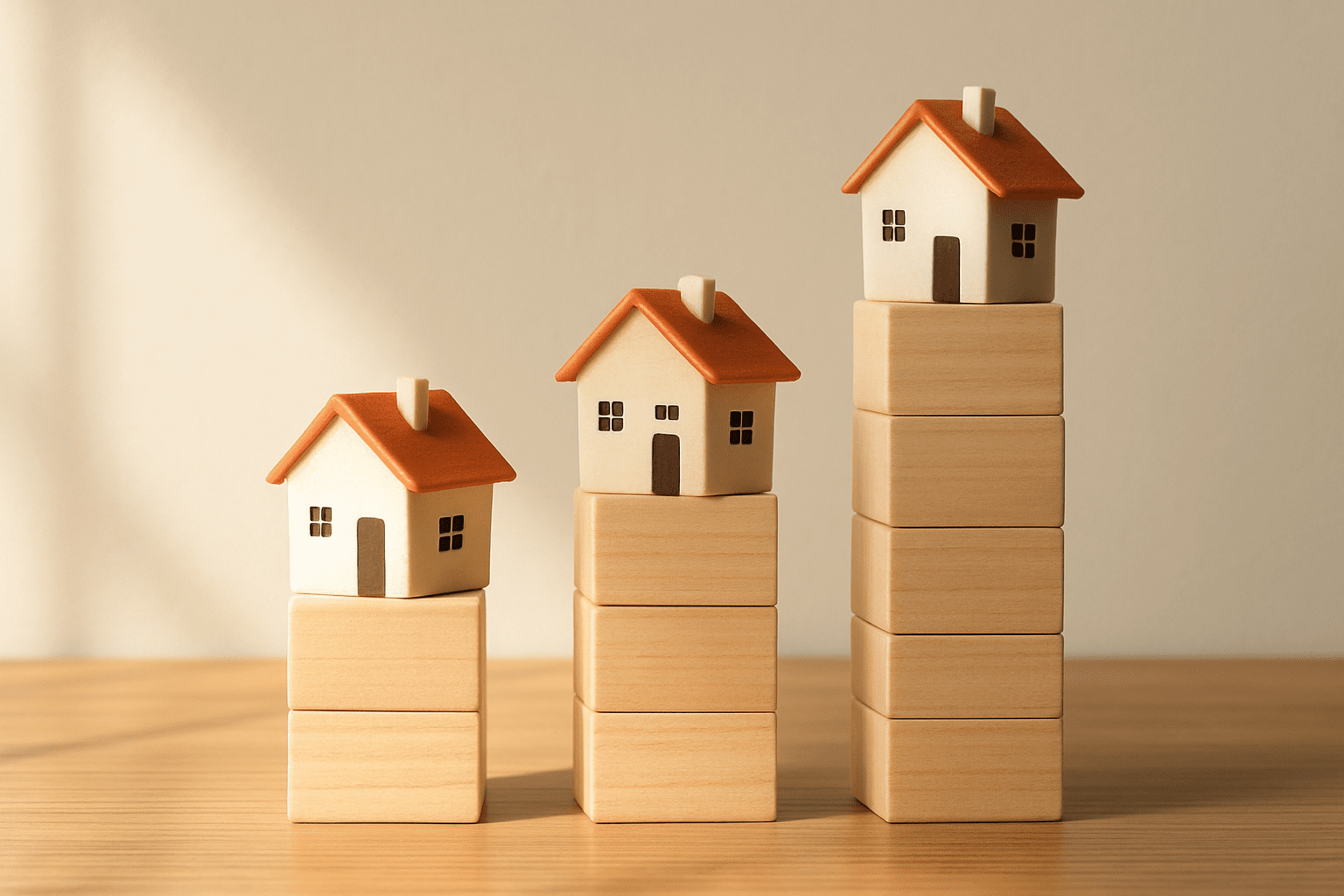
Is This the Right Time to Buy? Pros, Cons, and Smart Strategies
Deciding whether to buy a home now or wait is a big call. On the plus side, buying sooner means you start building equity now. With prices projected to rise steadily, waiting could mean paying tens of thousands more for the same home a few years from now. Plus, owning a home can shield you from rising rent prices and give you more long-term stability.
Of course, there are downsides too. High prices mean higher down payments and closing costs. If your job situation is unstable or you might need to move in a couple years, renting could be safer for now. Buying a home is a long-term commitment, and selling soon after buying can erase many of the benefits due to fees and market shifts.
“Don’t rush just because prices are going up—make sure you’re financially and emotionally ready for the responsibilities of homeownership,” says a realtor quoted in the Northside Chronicle’s advice column.
Tip: Make a realistic budget that includes all homeownership costs, not just the mortgage. Factor in maintenance, property taxes, insurance, and an emergency fund. It’s a lot like planning for a road trip—not just gas, but snacks, tolls, and surprises on the way.
Here are some steps to help you decide:
- List your current monthly costs and compare them to a home purchase in your area
- Think about job security and how long you’ll likely stay in one place
- Check your credit and savings. If you’re not ready now, set a six- or twelve-month plan to improve your finances
- Talk to a local realtor to learn about neighborhoods, prices, and recent sales trends
- Don’t hesitate to ask about buyer incentives or help for first-timers
Remember, there’s no perfect time for everyone. If you’re ready and the numbers make sense, acting soon could mean getting ahead of the next price jumps and starting your journey toward home equity growth.