

High-Yield Savings and CD Rates in April 2025: Where to Find the Best Returns for Your Cash Now
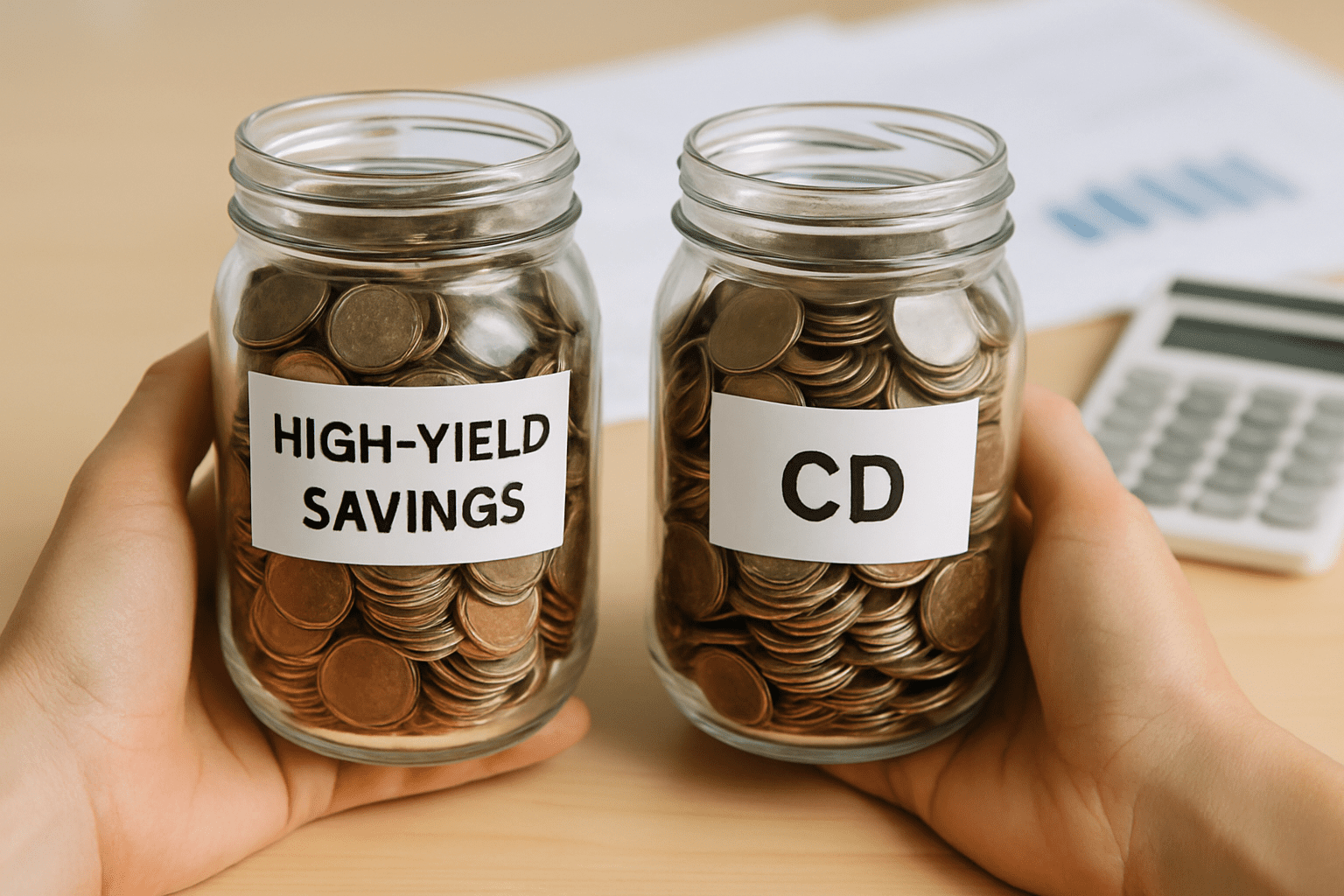
Interest rates on savings accounts and certificates of deposit (CDs) are still looking strong this spring, even as the economy shifts. With the average savings APY at just 0.41%, it’s easy to feel stuck—but the good news is that some banks are now offering up to eight times more. For anyone who wants to grow their savings faster and keep their money safe, knowing where to find these high returns can make a real difference. Let’s dive into what’s happening with high-yield savings accounts (HYSAs) and CDs in April 2025 and how to make these options work for your goals.
How to Choose the Right High-Yield Savings Account in 2025
High-yield savings accounts are like turbocharged versions of regular savings accounts. Instead of earning less than half a percent per year, you could get rates well above 4% if you pick the right bank. That’s why shopping around for the best APY can put more money in your pocket—without extra risk.
For example, here are some of the top options for April 2025:
- Synchrony Bank: 4.40% APY, with ATM card access and zero fees.
- Marcus by Goldman Sachs: 4.30% APY, no fees and no minimum deposit.
- Ally Bank: 4.25% APY, no monthly fees or minimums at all.
- Discover Bank: 4.20% APY, but you’ll need at least $500 to open an account.
- Capital One 360: 4.15% APY, again without fees or minimum balance needed.
These rates are far better than the national average. But is chasing the highest number always the best idea? Not always—think about how you’ll use your savings. If you need easy access to your money, ATM card availability or a good mobile app might matter more than another 0.10% in returns. Some accounts may have minimum balance requirements or other hurdles that can surprise you if you aren’t careful.
“A high-yield savings account can help your balance grow much faster without putting your cash at risk,” says Bankrate. “Look for low fees and flexible access so you can use your savings when you need it.”
Many online banks skip the physical branches, but that can mean better rates and fewer fees. The big plus is that all the options above are FDIC-insured, up to $250,000 per account holder, so your money is safe even if the bank faces trouble. That means your emergency fund, travel savings, or money for a new car can grow with confidence.
With inflation hovering around 2.8%, these higher rates mean that putting cash in a HYSA could actually help you outpace inflation. This keeps your purchasing power steady while you decide what to do next with your nest egg.
Next steps: If you’re ready to open a new account, read the fine print for fees or limits and compare how easy it is to move your money around. Consider using HYSAs for money you might need within a year—like an emergency fund or a big upcoming purchase. Check rates at least a couple of times a year, since banks can adjust them quickly.
Understanding CD Rates in 2025: Locking In Returns While They Last
Certificates of deposit (CDs) are a classic choice if you want to lock in an interest rate and don’t need to touch your money for a while. In April 2025, CD rates are still beating the average savings rate by several times, but recent rate cuts by the Federal Reserve mean that these offers could flatten or drop soon.
Here’s what you need to know about CDs right now:
- The national average for a 12-month CD was 1.78% in March 2025.
- Top-yielding 1-year CDs are paying up to 3.70% APY—over double the average.
- 5-year CDs could earn close to 3.95% APY for those willing to leave money untouched longer.
- Some promotional CDs were recently available as high as 4.60% APY, but don’t expect that to last forever.
One key money tip: locking in a CD rate today means your earnings won’t drop, even if the Fed lowers rates again this year. That’s important if you’re worried about a possible economic slowdown or declining returns from regular savings accounts.
“A CD can protect your money from economic turmoil,” notes CNET. “Your returns will never drop, even when the economy is precarious.”
But CDs aren’t for everyone. You usually have to keep your money parked for a set term—like 12 months, 24 months, or even five years—or face penalties if you withdraw early. If you need more flexibility, a high-yield savings account may be the better bet. Think of CDs as a perfect fit for savings you know you can put aside, such as money for a future goal or that portion of your emergency fund you’re unlikely to touch.
It’s also worth noting that the highest-paying CDs often come from online or regional banks, just like the best HYSAs. These banks can offer better rates because they have fewer overhead costs. Still, you’ll want to make sure your chosen bank is FDIC-insured so your deposit is protected.
Next steps: If you’re thinking about CDs, compare rates for different terms and shop around before you commit. Laddering—opening several CDs with different maturity dates—can give you a mix of higher returns and more frequent access to your cash. And if you expect rates to fall further, locking in now can help you avoid lower yields down the road.
Savings Strategies for Today’s Economy: Beating Inflation and Planning Ahead
With inflation close to 2.8%, your money can lose value over time if it’s sitting in a basic savings account. That’s why picking an account that pays well is about more than just the interest—it’s about making sure your cash keeps up with rising costs.
This year’s market trends show that online and regional banks are competing hard for your deposit, leading to much higher offers compared to the big brick-and-mortar firms. But don’t just jump at the first headline rate. Consider these tips to make your plan work for you—whether you’re saving for a new home, a car, or just a rainy day.
- Emergency Fund First: Experts suggest having 3-6 months of living expenses in a safe, accessible high-yield account.
- Mix Your Savings: For money you won’t need soon, CDs can offer a safe way to lock in a strong rate. For funds you might withdraw, stick with a flexible HYSA.
- Review Terms: Always check for hidden fees, early withdrawal penalties, and FDIC insurance coverage.
- Watch for Changes: Banks may cut rates if the Fed lowers rates again, so setting a calendar to review your options every few months can help maximize your returns.
“With rates at multi-year highs, now’s the time to ensure your savings are working as hard as possible for you,” advises Kiplinger. “Even small differences in APY can add up to hundreds of dollars a year.”
Let’s clear up a common myth: Having several savings accounts or CDs at different banks won’t hurt your credit or harm your finances. In fact, spreading your money around can boost both your returns and your safety.
Think of your savings strategy like building a team. Each type of account has its own job: a HYSA for flexibility, a CD to lock in rates, and perhaps a money market account if you want check-writing privileges with a solid interest rate (some are now offering up to 4.41% APY).
Next steps: Make a list of your savings goals and how soon you’ll need each chunk of money. Research a few top-rated online banks, check for fees and requirements, and don’t hesitate to move your cash if a better rate comes along. Even in a shifting economy, using these accounts wisely can help you build wealth and peace of mind.