
Have You Fallen for the ‘Tariff Trap’? Outsmart Surge Pricing With This Two-Step Receipt Audit (and Save Up to $90 Instantly)
Ever notice your grocery bill creeping up—even when you buy the same items week after week? You’re not alone. Thanks to new tariffs and AI-powered surge pricing, prices can jump or drop in real-time, especially on basics like bread or milk. But here’s the good news: you can stop silent overcharges before they wreck your budget. Just follow this quick two-step audit for your next receipt, and you could save up to $90 in minutes!
Step 1: Check for Real-Time Price Swaps
Retailers like Walmart, Whole Foods, and others now use digital price tags that update instantly—sometimes in the middle of your shopping trip. That means what you see on the shelf isn’t always what hits your receipt. The problem: price changes can sneak in right after a posted hike or ‘tariff surge,’ costing you more than you planned.
Digital shelf labels can result in price discrepancies between the shelf and the final receipt, especially as prices update in real-time. (Time)
If your receipt total seems higher than expected, always match each item to what you saw on the shelf. Most stores will refund the difference if you catch it:
- Circle mismatched items on your receipt.
- Walk to customer service (or email if shopping online).
- Ask for a price adjustment on the spot—many policies require them to honor the shelf price if you flag the error right away!
Don’t shrug it off: Just one missed price hike on a staple item, bought weekly, could mean $50+ lost over a few months.
Scan the sales aisle or store app for recent fliers—digital price tags can update sales down or up even after you check out. 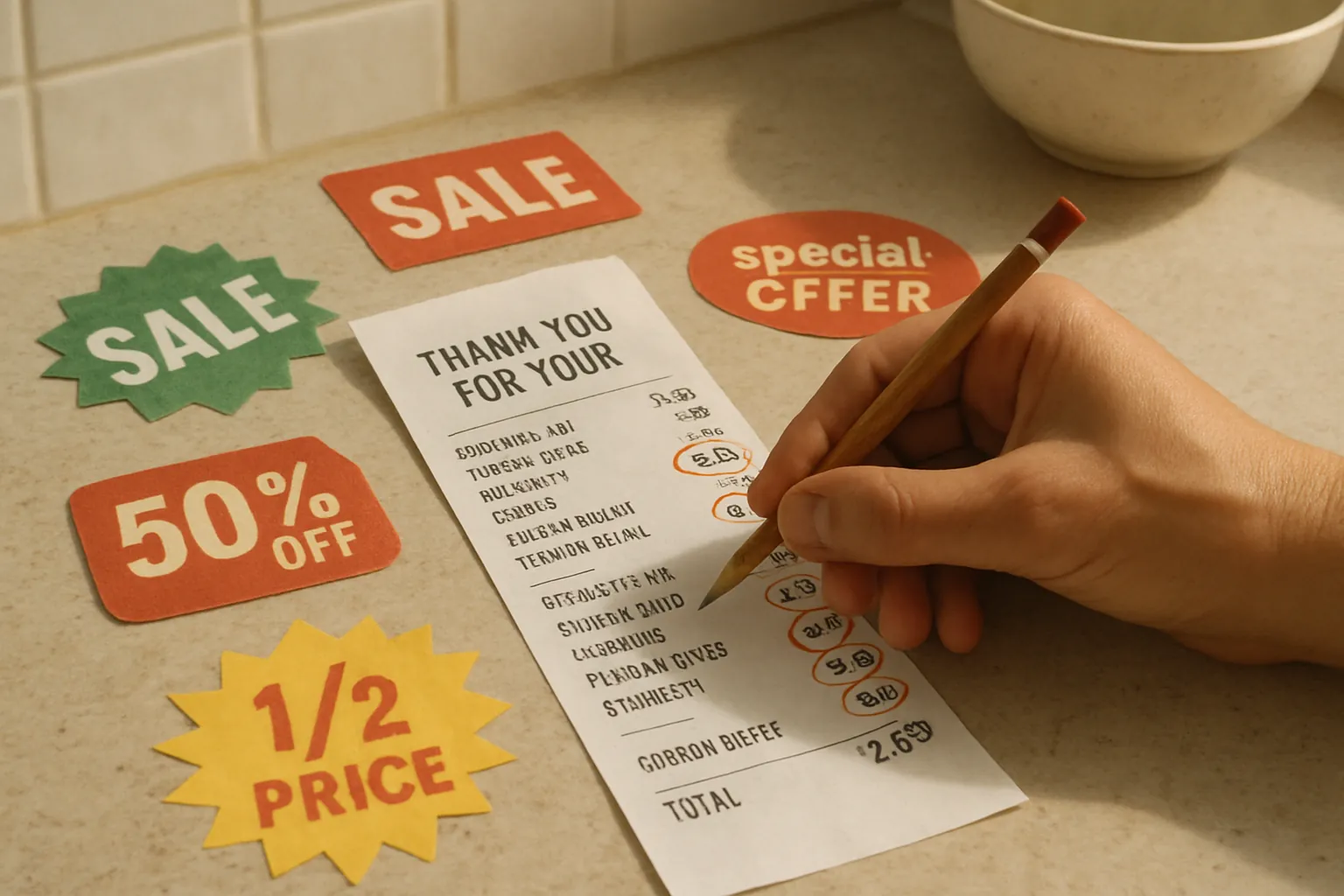
Step 2: Run a Quick Discount and Tariff Double-Check
Not all price hikes are in your face. Some are tied to new tariffs (taxes on imports) or weather changes that affect supply and demand. Retailers use AI to adjust prices—like lowering sunscreen before rain hits, but hiking eggs after a tariff. That can create surprise surcharges or missed discounts on your receipt.
AI-powered dynamic pricing can change sticker prices 1–2 times per day, and focus hikes on top 50–100 bestsellers. (Quicklizard)
Action tip: Cross-check any sudden price jump with recent news or store emails about tariffs or price changes. For example:
- If eggs, milk, or bread suddenly cost more, ask if there was a posted tariff or weather event.
- Look for old sales fliers—if your item was on sale this week, you may be owed a refund if the price changed after you shopped.
- If you spot a pricing error, take a photo and escalate to the manager or store’s price-guarantee team.
Store chains have improved their profits by 3–5% using dynamic pricing. But unfair or confusing price jumps can erode customer trust. (McKinsey, Square)
Receipts are like budgets—they only help if you look at them! A simple audit protects your wallet from hidden fees.
Save every receipt for at least 30 days, and check for differences anytime you spot an odd total. You might uncover a small refund—or a bigger fix the store owes to all shoppers.
Ready for a Real-World Test?
If your last grocery run felt too pricey, try this two-step audit tonight. Retailers are required to honor post-sale errors if you act fast—so don’t sit on surprises.
Conclusion
With dynamic pricing and surprise tariffs, it’s easy for sneaky overcharges to slip by. But armed with your receipt and this two-step audit, you’ve got the power to claim every dollar you’re owed. So, check that slip, compare prices, and talk to customer service if something feels off—the $5 or $10 you save could add up to $90 or more per year. Audit your receipt after every big shop to outsmart the surge!