
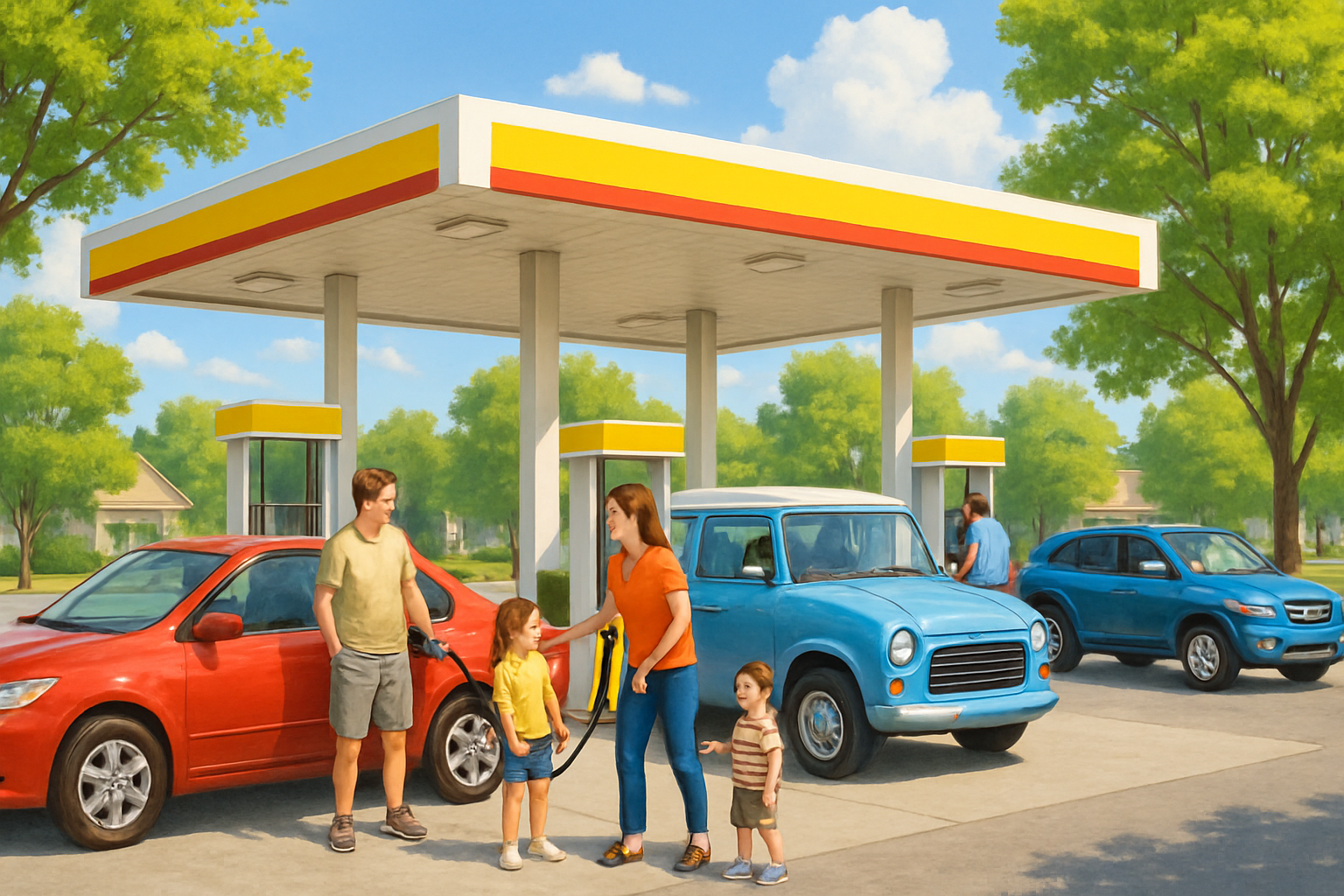
Gas Prices Drop Heading into Summer: How to Take Advantage of Seasonal Savings for Your Commute
Summer is almost here, and there’s some good news at the pump—gas prices are dipping just as families, commuters, and road trippers start planning for the warmer months. If you’re looking to make your dollar stretch a little further, now is the perfect time to understand what’s driving the savings and how you can make the most of them. Let’s break down the latest trends, smart strategies for fueling up, and tips to help you take advantage while prices are still friendly.
Why Are Gas Prices Falling This Spring?
The national average for gas in early May 2025 is around $3.20 per gallon, a modest drop from previous weeks. Several factors are pushing prices lower. For one, the U.S. Environmental Protection Agency (EPA) has issued an emergency waiver allowing nationwide sales of E15 gasoline—a blend with 15% ethanol—during the summer. E15 is typically at least 10 cents cheaper than regular gas, so offering it can help everyone save a bit at the pump.
“April 10 is usually when gas prices hit their peak,” says Patrick De Haan, GasBuddy’s Head of Petroleum Analysis. After that, prices tend to drop as the market adjusts.
“It’s common for gas prices to decline in the weeks leading up to summer, thanks to more stable supplies and less panic buying,” explains De Haan.
Low demand and steady production also play big roles. Many people aren’t traveling as much just yet, so refineries are keeping up well with what’s needed. Plus, the U.S. Energy Information Administration predicts that oil prices should cool off later this year, which helps push prices down even further. On the flip side, changes like California’s updated Low Carbon Fuel Standard could bump up prices in some places over the next decade, but most regions will see more moderate gas costs for now.
In short: now’s a good time to fill up and plan ahead. Gas prices likely won’t sink back to the ultra-low $2-per-gallon days of the early 2000s, but there are still real ways to save.
Next steps: Keep your eye out for E15 at local stations—remember, each time you fill up with it, you could save 10 cents or more per gallon. And if you live in California, watch for updates on local fuel rules, which might shape prices in the months ahead.
Smart Strategies to Stretch Your Gas Savings
With prices trending down, it’s tempting to just enjoy the moment—but with a few simple habits, you can stretch your savings even further and build good habits for any price cycle. Think of it like giving your budget a seasonal tune-up!
First, always look for the best deal in town. Different stations—even just a mile apart—can have very different prices. Apps like GasBuddy can show nearby stations’ current rates, often saving you a quarter or more per gallon with just a five-minute detour.
Bonus tip: Gas tends to cost less early in the week and during the morning hours, when fewer people fill up. Next, check if your local station offers E15. Not every car can use it—most vehicles made after 2001 are compatible—but if yours can, you’ll almost always pay less. Just check inside your gas cap or your car’s owner’s manual for details.
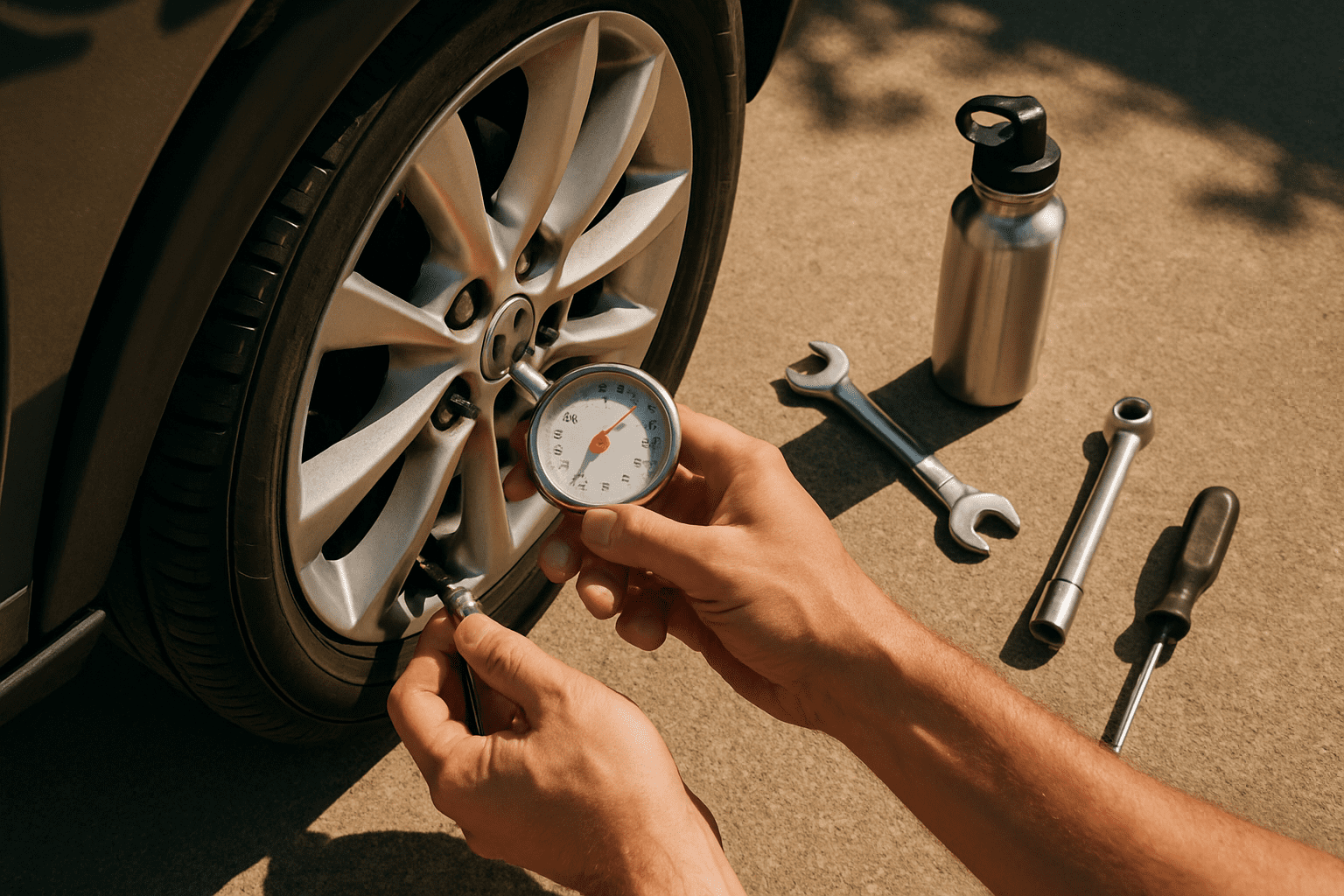
Driving style matters more than you might think. “Punching the gas” at every green light, hard braking, and speeding can drain your tank faster. The Department of Energy says that aggressive driving can lower your gas mileage by 10% to 40% in stop-and-go traffic. Instead, try to drive smoothly, avoid long idles, and keep your tires properly inflated—clean air filters and regular tune-ups help, too.
“Taking small steps, like planning your errands to combine trips, can make a surprising difference in weekly gas use,” says an AAA spokesperson.
Finally, loyalty rewards and credit card programs can help. Many grocery store chains, warehouse clubs, and gas brands offer cents-off-per-gallon deals. Just be careful not to buy more than you need just for points—and always pay off fuel bills in full to avoid interest charges. Stacking rewards with temporary price dips maximizes your savings.
Next steps: Review your weekly route and look for stops that double up—think groceries and daycare pickup—to cut out extra trips. Check your car for E15 compatibility, and sign up for a fuel rewards program if you haven’t already. Small changes now can mean extra dollars in your pocket all summer long.
Affordable Road Trips and Summer Plans: Making the Most of Lower Gas Prices
Lower gas prices open up extra room in your budget for fun—if you’re planning a vacation, day trip, or even just more affordable commuting. So how can you turn a short-term price dip into a long-term win?
Start by mapping out your routes. Shorter, smarter routes use less gas and leave more money for snacks, sightseeing, or activities. Tools like Google Maps can suggest efficient paths and even show live traffic so you can avoid fuel-wasting jams.
If you have flexibility, consider travel times carefully. Traffic jams cause wasted fuel. Leave after rush hour or early in the day to keep your tank (and mood) full. If you’re carpooling for work or leisure, talk to friends or coworkers about sharing rides—splitting driving duties can save everyone, especially on routine commutes.
“With a little planning, you can turn this year’s dip in gas prices into memories—not just receipts,” says a travel blogger who specializes in budget adventures.
Explore options for destination closer to home. The cost of a two-hour drive can be surprisingly low when gas is under $3.25 per gallon—especially if you avoid toll roads and plan out meals. Don’t forget, even if you’re not hitting the highway, the same ideas apply for everyday savings: organize errands, keep up car maintenance, and make the most out of E15 or other lower-cost options now available.
Next steps: Start your trip planning early. Estimate your gas costs using online calculators, look up rest stops or local attractions to break up longer drives, and double-check your car before heading out. That way, every mile counts—for your wallet and your summer fun.