
Feeling Squeezed by Tariffs? Slash Your Grocery and Utility Costs—4 Local-First Hacks That Actually Work
Tariff hikes and inflation have pushed 70% of Americans into spending more at the grocery store, and 60% are seeing utility bills climb, according to a recent ABC News/Ipsos poll. Instead of feeling powerless, you can tap into real local resources and smart swaps to lower costs right now—no extreme couponing required. Here are four proven, local-first ways to keep your wallet safe from the next wave of price spikes.
1. Tap Your Utility’s Financial Help (Even If You’ve Never Asked Before)
Across the U.S., utility companies offer payment plans and direct support for anyone facing higher bills. You may qualify even if you’ve never needed it before—especially during this inflation spike.
“Utility companies like PG&E, Dominion Energy, and Arizona Public Service all offer flexible payment options and financial assistance to customers hit by unexpected costs.” (PG&E Corporation)
Don’t pay more when an installment or bill credit might be one phone call away.
- Call your local utility’s customer service and ask about hardship funds, payment plans, or direct bill credits.
- In states like Connecticut, utilities are required to offer flexible arrangements if you ask (Connecticut PURA).
- Snap a photo of last month’s bill and ask if you can split or reduce this month’s payment.
Most programs are quick to set up and can cut late fees or even erase part of your balance. Take action now—utility hardship funds in states like Pennsylvania are funded for emergencies like this. Next step: Make that call today and see your options.
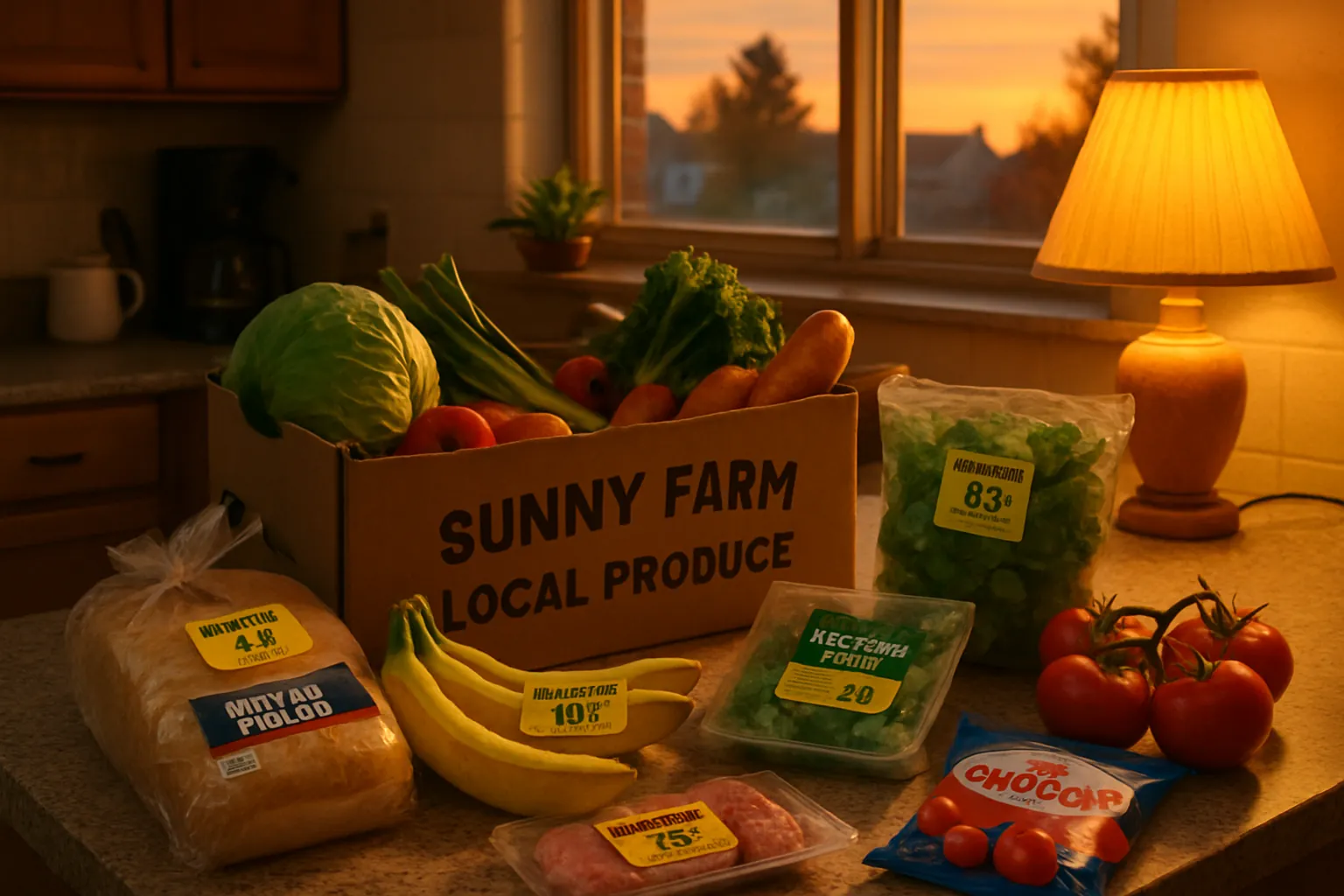
2. Try Discount Produce Programs & ‘Ugly Food’ Boxes
Grocery prices are sky-high, but large nonprofits like Sharing Excess and local “ugly produce” programs let you buy (or even rescue) high-quality fruit and veggies for less—no income questions asked in many areas.

“Sharing Excess redistributes fresh surplus food in 36 states, offering low or pay-what-you-can options for families facing food insecurity.” (Sharing Excess)
Save $15–$30 per week with ‘ugly’ food boxes or local bulk produce programs versus traditional supermarkets.
- Find local food rescue orgs (search ‘ugly produce box + your city’).
- Sign up for a weekly produce box for as little as $8–$15, delivered or local pickup.
- Share extras with neighbors or split a box for more savings.
It’s fresh, often organic—and a real way to push back against price hikes. Next step: Look up ‘discount produce box + [your state]’.
3. Get a Water Bill Reset or Spread Payments Over More Months
Most families don’t realize their water company may offer bill reduction or allow you to spread payments over 12, even 18 months in tough times.
“Connecticut Water lets anyone with a balance spread payments over 18 months, easing month-to-month pressure.” (Connecticut Water Company)
Ask for a payment plan review—many utilities will offer this with a quick call, no shame.
- Call your water company and say: “I’d like to request an extended payment plan or hardship accommodation.”
- Get it in writing, so you avoid late fees or service shut-off.
- Many companies, like Kansas City BPU, offer direct cash assistance; ask specifically about ‘one-time help’ programs (BPU Payment Assistance).
This protection is available across states—so always ask. Next step: Make that call and ask about payment flexibility today.
4. Stack Local Energy Assistance & State Relief
When prices rise, states and local partners unlock extra energy help—sometimes hundreds of dollars off your next bill.
“The Connecticut Energy Assistance Program (CEAP) sends bill help directly to utility accounts for qualifying low-income households.” (Connecticut State Government)
You could qualify for direct utility discounts—don’t leave free money on the table.
- Search for your state’s energy assistance program (try ‘energy assistance + [your state]’).
- Apply online or through local nonprofits; it usually takes 10 minutes.
- Major utilities like Duke Energy and APS notify customers about new help programs—check their websites or sign up for email alerts (Duke Energy News Center).
Relief funds run out fast, so act at the beginning of the month. Next step: Bookmark your state’s main relief page and apply first thing each month.
Conclusion: Put Local Leverage to Work—Don’t Wait for Price Drops
Grocery and utility prices might be out of your hands, but local help isn’t. Start by calling your utility for support, try a discount produce program, and apply for available state energy help. Each of these steps can put real dollars back in your pocket—starting today. Your savings journey begins with a single call or click—make it now!