

Could your shopping cart sidestep inflation if you play ‘Tariff Chicken’? Nudge prices down BEFORE stores hike groceries next week
Grocery prices are about to leap up as new tariffs kick in and retailers scramble to update their shelves. If you act now, you could outsmart next week’s price hikes—using a few sneaky moves most shoppers forget! Here’s how to strike before rising costs hit your wallet, with simple strategies that work at real stores near you.
1. Spot the “Old Label” Deals Before They’re Gone
Retailers need time to re-sticker prices when tariffs take effect. Right now, some grocery aisles have items still selling at the old price—especially non-perishables, pantry staples, and goods with soon-to-be-changed packaging.
Some big-box retailers and discounters, like Amazon’s Grocery Outlet, offer deep price breaks on shelf-stable foods without a membership—even as other stores quietly raise prices.
The best bargains are the ones tagged “old stock.” Get in and grab them before new shipments arrive!
- Check for discounts on boxed and canned goods, especially items with new designs about to launch.
- Look for “clearance” or unadvertised markdowns on store-brand basics.
- Ask staff if more “old” stock is in the backroom or about to be replaced.
Don’t wait—even a single shopping trip before the weekend can beat the inflation rush.
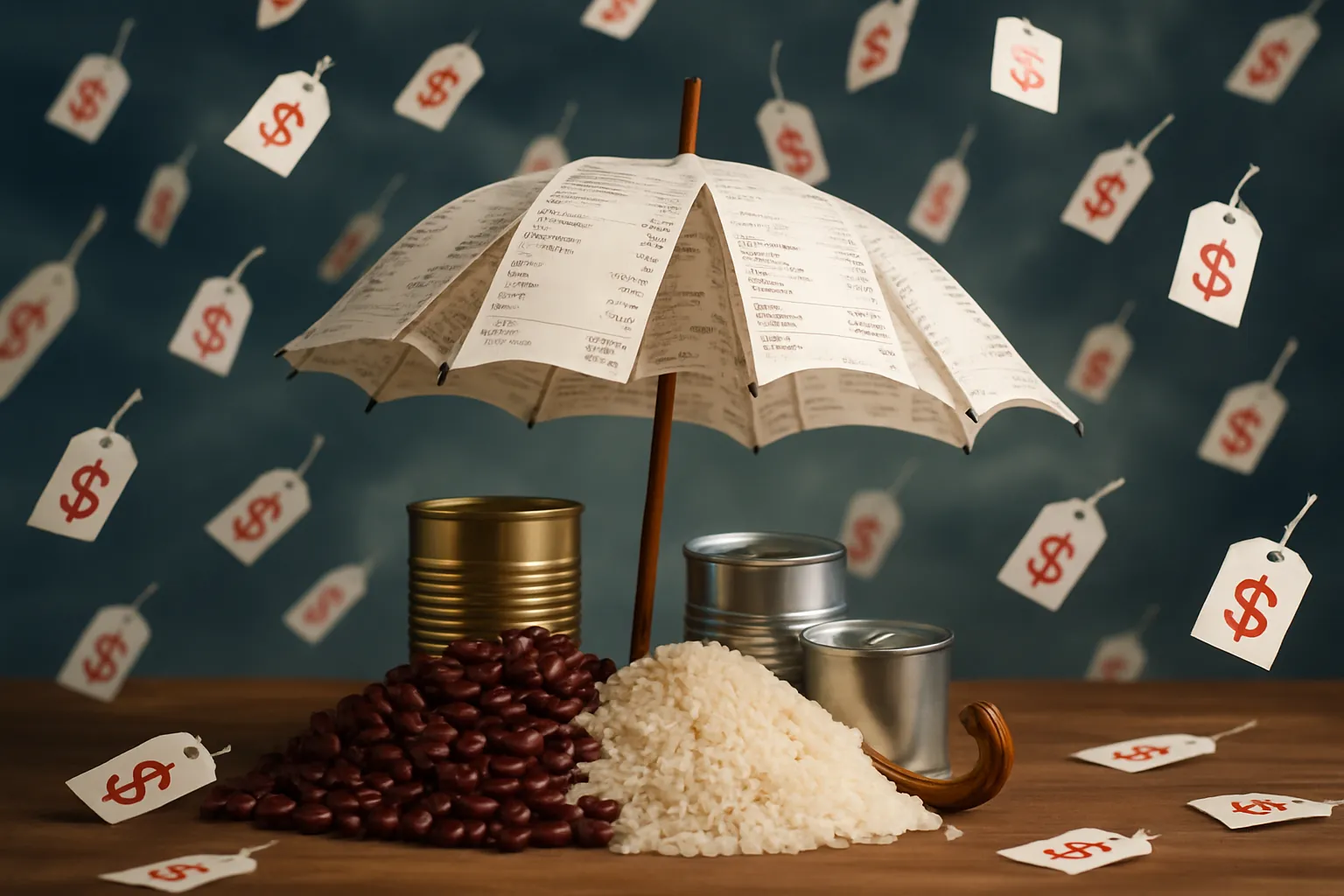
2. Request Rain Checks Before Prices Jump
If an item is missing from the shelf but advertised on sale, that’s not the end of the story. Most major grocery chains must offer you a “rain check”—so you can lock in the lower price even after shelves get restocked at the new, higher rate.
The Federal Trade Commission’s Unavailability Rule requires stores to provide rain checks, substitutes, or compensation for out-of-stock ads—unless limits are clearly stated (Consumer Ed).
Rain checks can freeze today’s prices for up to a month—even after tariffs bump up shelf tags.
- County Market rain checks: valid 14 days (County Market).
- Publix lets you lock prices for up to 30 days (Homegrown Hillary).
- Target issues rain checks for 30–45 days; Walmart, too, with some exclusions (Krazy Coupon Lady).
- At Martin’s Super Markets, extras like $1 added to rain checks can boost your savings.
Pro tip: If you spot old pricing in the flyer but see shelves wiped out, visit customer service before the restock.
3. Play “Tariff Chicken”: Stock Up Only on the Essentials
Not everything is worth bulking up on—aim for the staples that see the biggest price jumps during tariff weeks. Experts warn household budgets could see an extra $2,400 in annual costs when grocers pass along higher input prices this season (Beacon Journal).
New tariffs hitting “cheap” household goods mean things like canned veggies, staple grains, and bulk detergents could see marked-up prices next week.
Focus your spending on long-lasting essentials: rice, beans, canned tuna, household cleaners, and paper goods—items most sensitive to new import rules.
- Buy in single-trip amounts you can use and store.
- Skip perishable over-shopping: sales will return, but not every price hike gets rolled back soon.
- Ask your store which categories will update first—sometimes managers get advance warning from suppliers.
Fill your cart with what you use weekly—and keep your receipts in case prices climb by your next trip.
4. Try Alternative Retailers Now
Shoppers who venture beyond the “big brand” stores can catch pre-tariff prices still sitting on independent or discount shelves. Outlets and local shops sometimes have slower restocking cycles, and their shelves might hold bargains after big chain prices surge.
Grocery outlets and local dollar stores are often last to update prices after nationwide supply shocks.
Explore independent groceries, ethnic markets, or warehouse outlets—you might find last week’s prices sitting on the shelf.
- Ask staff how often they restock or when new prices will take effect.
- Check for one-off deals or case-rate discounts on pantry staples.
- Some stores will even match older advertised prices if you show them a flyer—just ask!
Now’s the time to network: talk to friends or neighbors about where they’re still seeing “pre-hike” bargains.
5. Stay Vigilant—Watch for Quiet Markups on Staples
Not all price jumps are bold or highly advertised. During periods of tariff pressure, retailers often slip in small, quiet increases on bread, eggs, pasta, and cleaning supplies—especially those without flashy “new price” tags.
Experts say the average household could be paying hundreds more this season due to “stealth inflation” from tariffs—often hiding in household basics.
Carry last week’s receipts or take a photo of shelf tags on your essentials—then compare next trip.
- Report sudden price increases or mismatched shelf-scanner tags to customer service—you could score a price correction or rain check.
- Check your store’s weekly ad for clues—if the same item is missing, expect an imminent price jump.
- Shop earlier in the week before price updates hit nationwide.
Make it a habit: a five-minute price scan today could save you much more over the next month.
Ready to win at “tariff chicken”? Act now—before supply chain headaches and rising input costs make your next grocery run a sticker shock event. Grab old-label deals, secure rain checks, and shop smart at independent stores to lock in big savings—don’t let tariffs sneak cash out of your wallet!