

Could Outdated ‘Frugal Habits’ Actually Pay Off Now? Why Going ‘Old-School’ With 4 Budget Moves Feels Fresh Again
If you grew up watching relatives squeeze every dollar—saving plastic bags, swapping coupons, or repairing small appliances—you might think those old habits are outdated. But with digital deals drying up and prices rising, these “weird” frugal moves are making a surprise comeback. Let’s break down four classic money-saving habits that are suddenly feeling smart again—and how you can use them to cut everyday costs right now.
1. Swapping and Stacking Coupons the Old-Fashioned Way
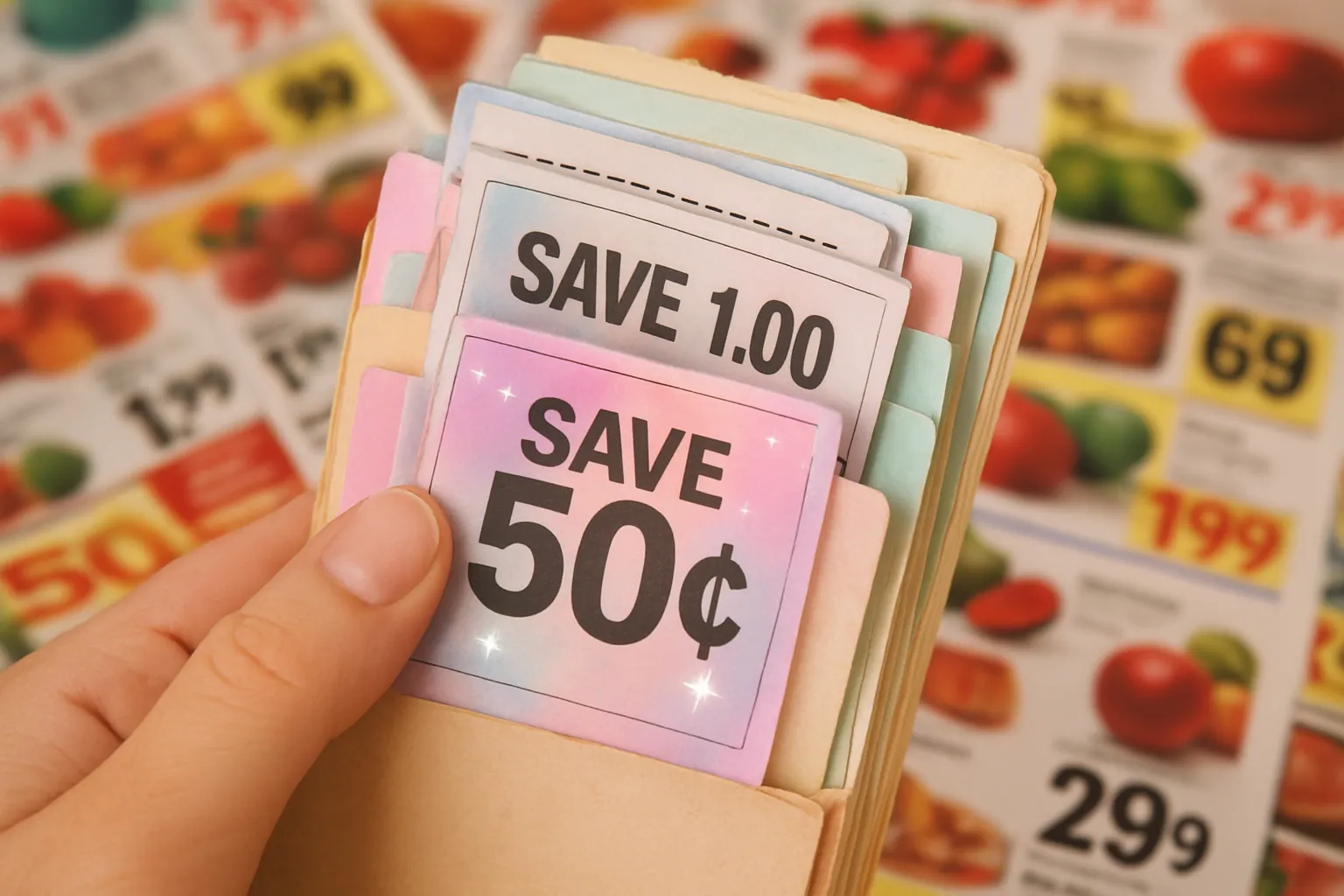
Remember that grandma with a bursting coupon folder? Turns out her strategy beats single app offers. Dig out those physical coupons from flyers and grocery mailers—and ask neighbors to swap stacks for new deals.
“Target allows you to stack one manufacturer coupon with one store coupon per item, and even combine with digital offers.” (GrabOn)
Smart stackers maximize savings—one receipt at a time.
- Keep a small folder in your bag or car for paper coupons.
- Ask friends or neighbors for coupons they don’t use—host a mini neighborhood swap.
- Use paper coupons with store apps (like Walmart Cash) for even bigger discounts (Yes We Coupon).
Try it this week: Combine a physical coupon with a store app deal for extra savings at checkout.
2. Saving—and Reusing—Containers for Bulk Shopping and Leftovers
Don’t toss those takeout bowls, grocery tubs, or bread bags! Reusing packaging lets you skip buying containers and makes buying in bulk easy and cheap.
“Reusable packaging, like IFCO trays, is built for multiple trips and can help you save on storage and reduce waste.” (Wikipedia)
Each reused container saves money—and cuts trash.
- Rinse and save clean containers for freezing meals or storing snacks.
- Bring your own tubs to bulk stores for flour, nuts, or dried fruit—avoid paying for single-use packaging and usually save per-pound (Green Living Toolkit).
- Label containers with masking tape for easy organizing.
Challenge: Next time you shop, try buying one item in your own container and see what you save.
3. The ‘Cash-Only’ Weekend—Breaking the Credit Card Habit
Contactless cards and one-click payments make overspending way too easy. Take a page from old-school budgeting: go cash-only for a weekend shop.
“Setting a ‘cash-only’ challenge can help you see exactly where every dollar goes and avoid impulse buys.” (Wikipedia)
Handing over cash—even five singles—makes spending real.
- Withdraw what you need for the week—leave the cards at home.
- Shop at local grocers or dollar stores where prices are clear and temptations are less digital.
- Tally your receipts—notice how much less you spend out of habit.
Try it this weekend: Limit yourself to $40 cash for groceries and see what creative swaps you make.
4. Rethinking Single-Use—Switches That Last and Save
If you’re tired of rebuying paper towels or tossing food bags, consider old-school reusables—rags, saved bags, and a “repair before replace” mindset for household basics.
“Switching from paper towels to washable rags and repairing small appliances saves real money and reduces waste.” (Wikipedia)
Every reuse or repair means money stays in your pocket.
- Tear up old T-shirts for cleaning rags and ditch the paper towels.
- Save bread bags and use as trash can liners or lunch sacks (Cambridge Food Bank).
- Try fixing a leaky kettle or sewing a lost button—YouTube has simple tutorials.
Pick one disposable item to swap for a reusable this week—track what you save.
Conclusion: Old Habits, Fresh Savings—Start With One Move Today
The bills in your mailbox don’t care if your trick is “old-fashioned.” Today, these four “outdated” habits are packing brand-new punch against high prices. Dust off one classic move—stuff your wallet with coupons, raid the cabinet for containers, or swap a roll of paper towels for a rag. Make one of these changes this week—and watch the savings add up fast.