

Could a Political Plot Twist Sink Your Autumn Budget? Why ‘Storm-Ready’ Bill Stacking Unlocks $300+ in Crisis-Proof Savings
This autumn, UK households face swirling uncertainty: will new tax hikes or energy price spikes blow your budget off course? According to PwC, 84% of consumers worry about rising costs as the Savings Index hits record highs. The good news? Simple changes to how you stack and pay your bills right now could help dodge harsh budget shocks—and free up over $300 to weather the financial storm. Here’s exactly how.
1. Power Up a ‘Crisis Cushion’ with Automatic Savings
Having extra cash set aside before prices spike is like having sandbags ready before a flood. Setting up auto-deposits into a “crisis cushion” savings account is a proven way to prepare for potential tax hikes and surprise bills looming in the Autumn Budget.
“A dedicated crisis savings account shields families from sudden costs, especially ahead of likely Autumn Budget tax increases.” — MoneyWeek
Takeaway: Even £10–£25 a week, automatically moved to a separate savings pot, adds up fast—think £80–£100 by October, ready just in case.
- Log in to your online banking and set up a monthly transfer.
- Use a bank that allows easy savings pots (like Monzo or Starling).
- Name it “Crisis Cushion” so it’s 100% untouchable.
Start today: Set up your auto-save before you do anything else!
2. Batch-Pay Bills Early to Lock in Lower Rates
Do you have flexibility to pay your electricity, gas, or other regular bills before the due date? By batch-paying non-urgent bills now, you can dodge forecasted surges—especially as energy prices are expected to leap 5% this spring, adding £85 a year for most families.
“Paying now can shield you from rate hikes, as prices for gas and electricity are set to rise by 5% from April 2025.” — BBC News
Takeaway: Acting early often saves £30–£100 across multiple utilities if paid before seasonal price changes.
- Check which providers allow early or larger lump-sum payments.
- Note the “price lock” date for your current rates.
- Pay off what you can afford before new tariffs arrive.
Action step: Review your statements and batch-pay what you can this week.
3. Switch On Energy Alerts & Use Off-Peak Hours
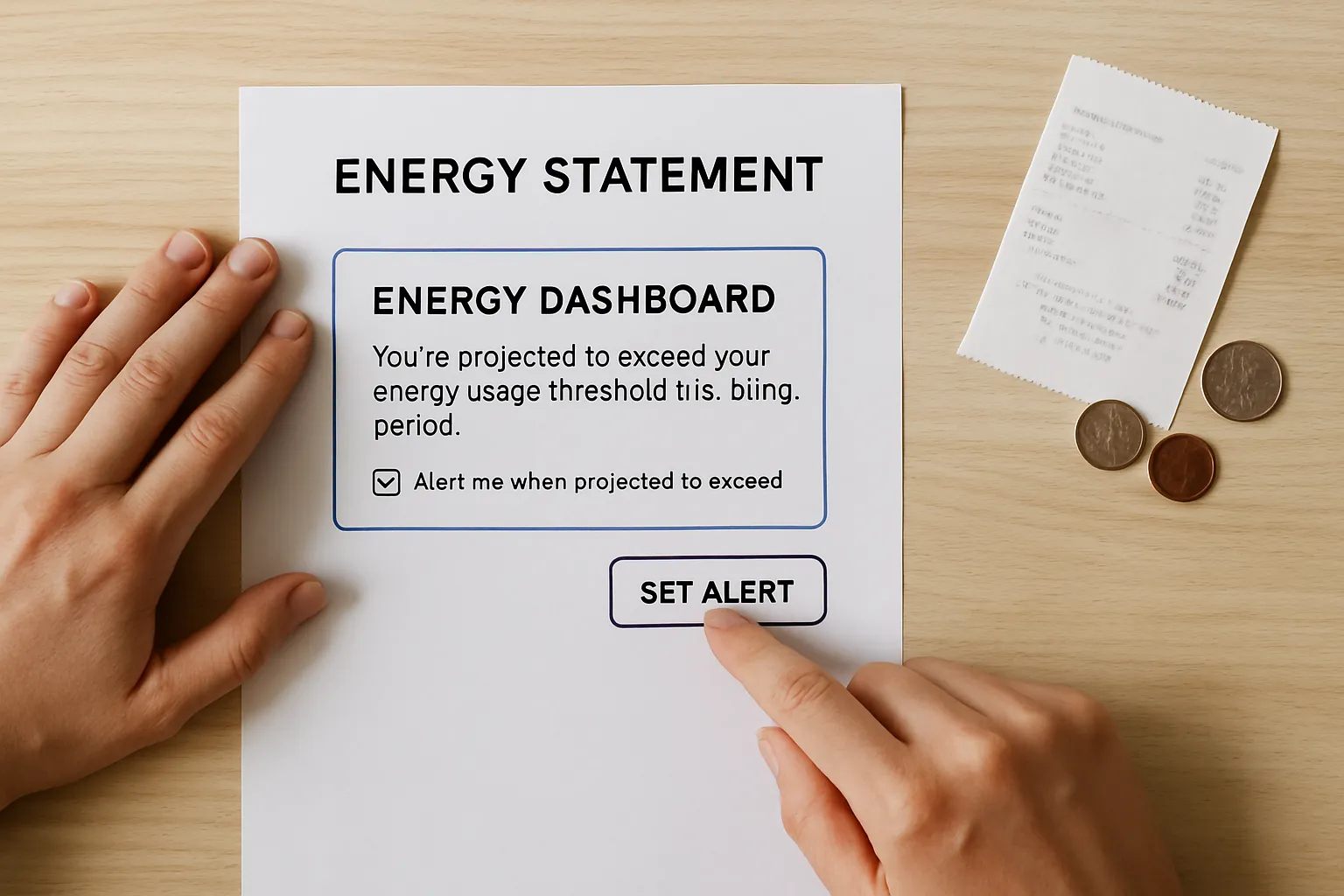
As colder months hit, households can cut autumn bills by up to 30% just by activating free energy dashboard alerts and shifting big usage (like laundry or charging devices) to off-peak times.
“Switching to off-peak usage trims utility bills, and energy dashboard alerts can catch unusual spikes before they drain your account.” — HomeOwners Alliance
Takeaway: One family saved almost £25–£30 per month by running appliances after 8pm and signing up for smart alerts.
- Sign up for free usage alerts with your energy provider.
- Shift dishwashers, laundry, and charging to off-peak hours.
- Turn off “power vampires” (unused devices plugged in).
Check your current usage. Small tweaks can shrink your next bill.
4. Stack Retailer Cashback and Loyalty Bonuses Now
If you need to make big September purchases—school uniforms, household items, even new shoes—don’t pay full price. Stack retailer cashback with loyalty bonuses to offset the cost-of-living crunch expected after the Budget.
“Combining cashback and loyalty deals shaves real money off autumn shopping—even a 5% bonus on £300 in groceries or supplies saves £15 instantly.” — MoneyWeek
Takeaway: Download one top cashback app and use your supermarket loyalty card every single time for quick wins.
- Check which retailers offer double-dip deals this month (look for notices at Tesco, Sainsbury’s, or Asda).
- Sign up for a cashback site like TopCashback or Quidco if you haven’t yet.
- Opt in to store promo emails for exclusive September offers.
Put one big shopping trip on your loyalty card and see the difference.
5. Review Big Expenses for Incoming Tax and Cost Changes
Major changes are coming: National Insurance and VAT increases, inheritance tax updates, new Stamp Duty rules, and higher capital gains taxes by April 2025. Reviewing these areas now can highlight ways to avoid nasty bill surprises.
“Major tax changes—like the end of the non-dom regime and lower Stamp Duty thresholds—could slam budgets unexpectedly.” — FZCO Accountants
Takeaway: If you’re planning any big moves (like buying property, sending kids to private school, or selling investments), do it before April for maximum savings.
- Talk with a free debt adviser about wage, tax, or benefit changes.
- Double-check any scheduled property, school, or estate expenses.
- Read up on the latest Budget details to stay ahead of surprise costs.
Action step: Schedule one quick review session this weekend.
Conclusion
Every household can take action before a political curveball hits your finances. Auto-save into a crisis cushion, batch-pay bills, use off-peak energy, pocket retailer bonuses, and stay alert to incoming tax changes. These steps take minutes but unlock at least $300 in protection—and peace of mind—for any autumn ahead. Start your “storm stacking” today: set up your auto-savings transfer by bedtime.