
Buy Now, Pay Later for Vacations: Pros, Cons, and How to Avoid High Fees
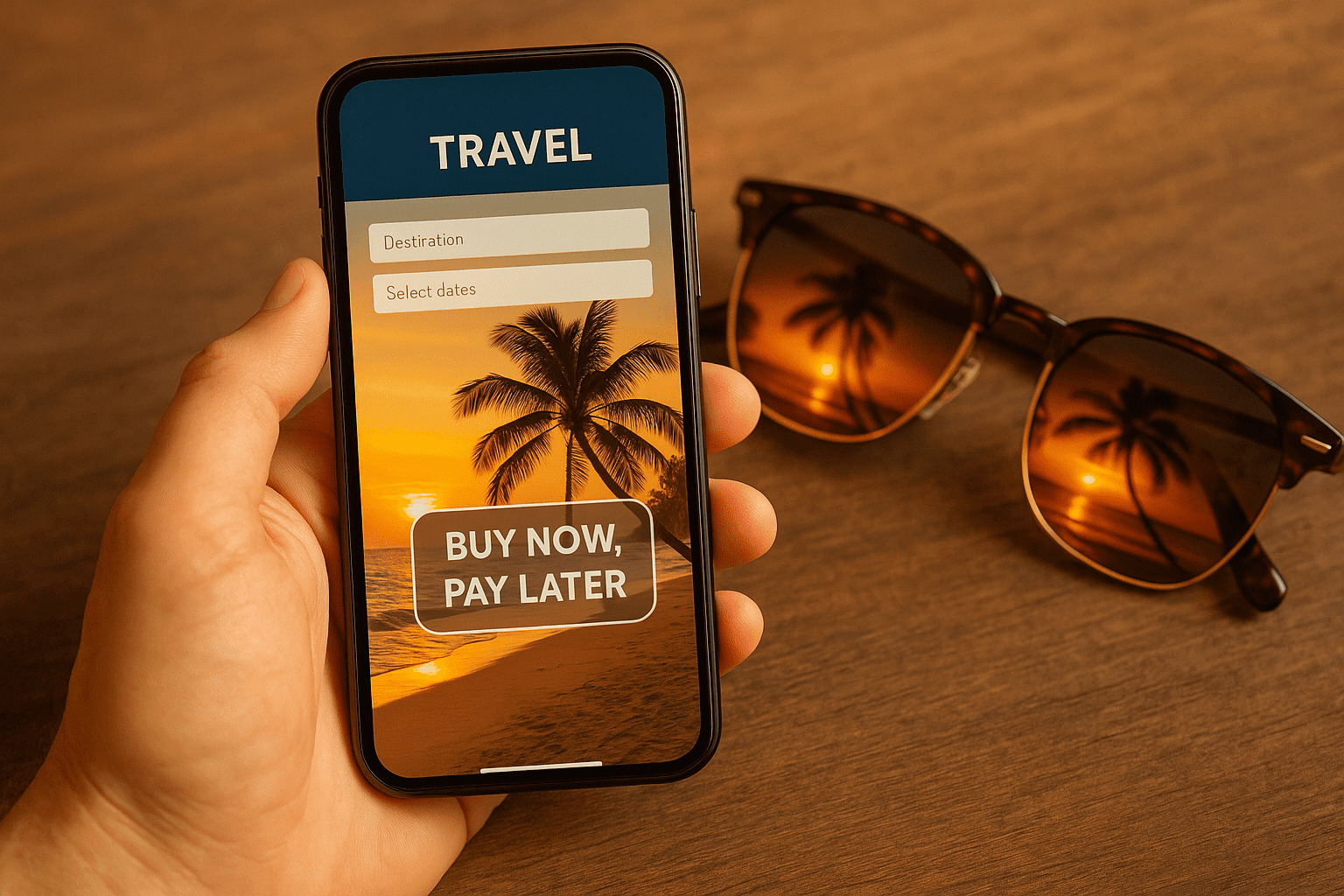
Dreaming of getting away but worried about the price? You might notice more travel sites and apps offering “Buy Now, Pay Later” (BNPL) to help you split your vacation bill into smaller payments. This can feel like a ticket to paradise—no hard credit checks, predictable installments, and instant approval. But before you pack your bags with BNPL, it’s smart to check the fine print. Let’s break down how these plans work, the good and the not-so-good, and practical tips to avoid expensive surprises on your next trip.
How ‘Buy Now, Pay Later’ Works for Vacations—and Why It’s Popular
BNPL lets you pay for travel in smaller chunks over time, instead of paying all at once. You might see options for four interest-free payments or monthly installments when booking flights, hotels, or vacation packages online. For many, this can make a big trip feel affordable, especially when prices have gone up or last-minute deals pop up.
Unlike credit cards, most BNPL plans don’t require a hard credit check. This can be a big relief for someone who’s building their credit or doesn’t like taking on new credit cards. According to surveys by travel and personal finance sites, more and more Americans are using BNPL to cover travel expenses. In fact, a Motley Fool survey showed that 45% of BNPL users bought things they couldn’t otherwise fit in their budgets.
“The ease of use can make BNPL a tempting way to say yes to a trip now and figure out the money later,” says Farnoosh Torabi, finance expert and host of the So Money podcast.
BNPL companies advertise themselves as simple and straightforward—just select the plan during checkout, and your vacation cost is split into clear payments. There’s usually no upfront interest if you pay on time, and you may avoid running up a high credit card balance. However, this convenience means it’s even easier to add extras, upgrade your room, or extend your stay.
But here’s the thing: while it seems harmless to “spread it out,” using BNPL for travel can encourage overspending on getaways you might not really afford. Since you’re not seeing the whole bill at once, it’s easy to lose track of the total and get surprised later on.
Next steps: If you’re tempted by BNPL for a vacation, first add up all the fees and map out every scheduled payment. Ask yourself, “Could I pay this off just as easily out of savings?”
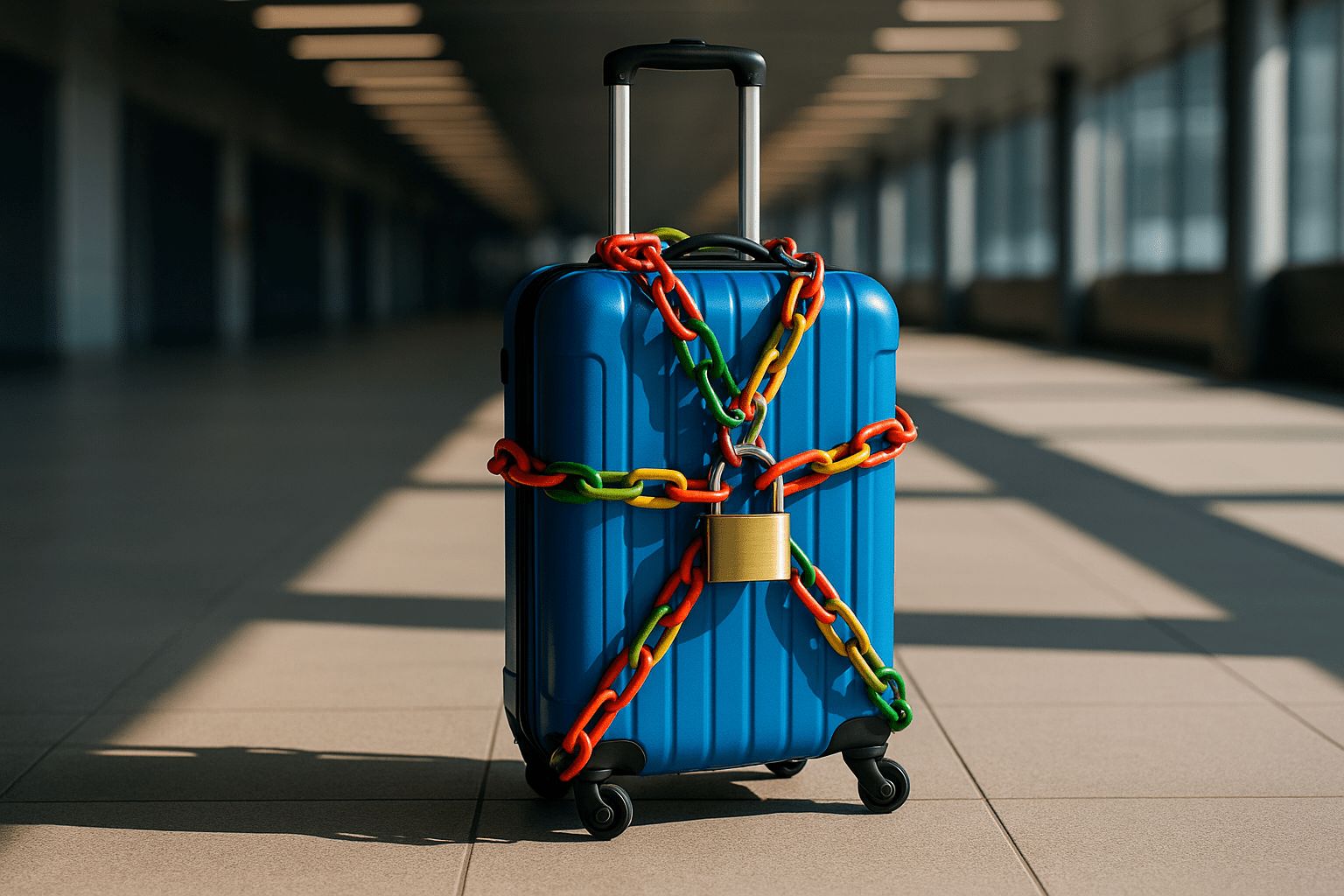
The Hidden Fees and Pitfalls of Using BNPL for Travel
Many travel sites highlight BNPL’s easy payments, but there can be downsides hiding in the details. The most common trap? Late fees—sometimes even higher than credit card late payments. The Consumer Financial Protection Bureau found that over 10% of BNPL users were hit with at least one late fee in 2021. Most major BNPL companies charge about $8 per missed payment, which adds up if you fall behind more than once.
On top of that, some of these services require autopay from your bank. If your account balance is low when a payment goes through, you could face overdraft fees from your bank and a late fee from the BNPL provider. Unlike with credit cards, BNPL on-time payment history usually isn’t reported to credit bureaus, so good payment habits don’t help your credit score—but missed payments can be reported, lowering your score and making it harder to get loans later on.
“The biggest risk is that you might not notice a payment is coming up, and even one late fee can make your bargain vacation much more expensive,” warns Consumer Reports. “And unlike credit cards, there’s often no phone call or help line for quick fixes.”
Refund and cancellation issues can also get messy. If your trip is canceled or plans change, BNPL companies handle refunds differently—and sometimes you need to keep making payments even as you fight to get your money back. Credit cards usually offer faster, clearer consumer protections and easier ways to dispute unauthorized charges. With BNPL, it might take longer to get help, and you may never be fully reimbursed if there’s a problem.
Fraud protection is another area where BNPL services often fall short compared to credit cards. If a fraudster books a trip using your BNPL account, recovering your money could be much more complicated and slower.
Next steps: Before booking, ask your travel provider about their refund policy, and carefully check your BNPL provider’s rules about disputes and cancellations. Set calendar reminders for every BNPL payment so you never miss a due date.
Smarter Ways to Pay for Your Next Getaway
With all these trade-offs, should you rule out BNPL for travel completely? Not necessarily. It might fit in special cases—as long as you fully understand what you’re agreeing to and stick to a clear payment plan. For most travelers, though, saving up for your trip or using a 0% APR credit card can save more money and reduce stress.
Let’s say you have a $1,200 vacation in mind. If you put away $100 each month, you’ll have enough in a year, with no fees or risks. Banks and apps can help by moving a set amount into a savings account automatically. This builds your travel fund—and you’ll avoid returning from vacation to a pile of bills.
Credit cards can also work if they offer a 0% interest promotion. Some cards don’t charge interest for up to 15 or 18 months. If you’re confident you can pay off the full amount before the promo ends, this is often cheaper than BNPL. Plus, credit cards come with stronger fraud and refund protections. But always check the fine print—if you don’t pay off the balance on time, interest rates can shoot up.
“There’s nothing wrong with hunting for creative ways to pay for travel,” says a NerdWallet travel editor. “But the smartest move is still to plan, set a budget, and try to use cash or a safe credit offer whenever you can.”
You could also look for discounts or ways to trim costs—use travel loyalty programs, try off-season destinations, or book in advance. Sites like GoBankingRates report that many families now skip extras like rental cars or room upgrades to make vacations fit their budget.
Next steps: If you must use a BNPL plan, pick a well-known provider, read every rule, and keep your bank account balanced for upcoming payments. If you can, give yourself extra time to save so you can pay cash or use a low-interest card instead. This helps you relax and enjoy your trip—without money worries following you home.