
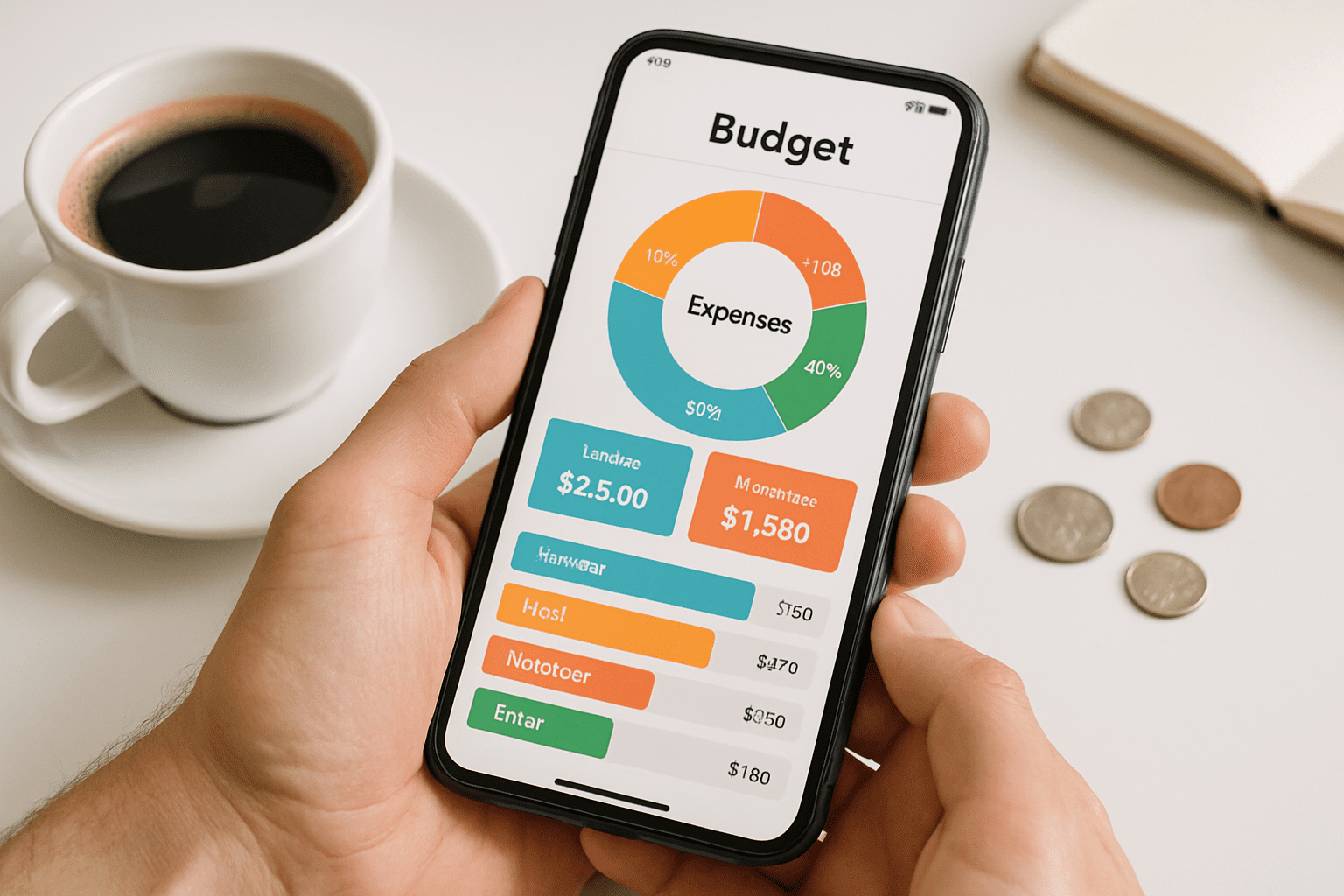
AI-Powered Apps Are Changing How Americans Budget, Save, and Invest—Here’s How to Make the Most of Them
Ever feel like keeping track of your money is a chore? You’re not alone. Balancing bills, budgets, and savings can be tricky—especially when life gets busy. But there’s exciting news: AI-powered tools are turning personal finance management into something almost automatic. From budgeting apps that learn your habits, to programs that spot ways to save, artificial intelligence (AI) is helping more Americans take control of their wallets. Let’s dive into these new tools and see how they can help you keep your finances on track.
Meet the New Crop of AI Budgeting Tools
Years ago, tracking your spending meant piles of receipts or a fancy spreadsheet. Today you can download an app like Mint, You Need A Budget (YNAB), Cleo, or PocketGuard and get a clear picture of your finances in minutes. What’s special about these tools? They use artificial intelligence (AI) to do the heavy lifting for you. Think of AI as a smart assistant that reviews your habits and gives you tailored advice—the kind you’d expect from a professional, right in your pocket.
Let’s break down some of the best-rated options:
- Mint: Combines all your accounts, tracks where your money goes, and sends budget suggestions tailored to your habits.
- YNAB: Proactive budgeting tool that helps you plan every dollar and makes it easier to adjust when life changes.
- Cleo: Uses a friendly chatbot to chat about your spending, set savings goals, and even roast you (gently!) if you’re splurging too much.
- Acorns: Rounds up your purchases and invests the spare change—automatically turning small habits into investing power.
“AI can automatically categorize expenses and create budgets, saving time and ensuring accuracy.” (Source: Toxigon.com)
The best thing about these tools is that you don’t need to be a finance expert—they’re designed for real people with busy lives. Automating your budget with AI doesn’t mean giving up control. Instead, it helps you spot patterns, avoid surprises, and make decisions confidently.
Next steps: Download one or two top-rated apps (many have free versions) and connect them to your bank account. Set a basic goal—like tracking your spending for a month. The app will show you where your money goes, and you can adjust your plan from there. If you’re worried about security, look for apps that use strong encryption and two-factor authentication to keep your data safe.
Smart Savings and Investing—Made Easy by AI
Saving money isn’t always simple—but AI is changing that. Programs like Truebill and PocketGuard can help you find stray subscriptions or suggest ways to pay less for services you use. Meanwhile, investment platforms—including Acorns and Personal Capital—turn loose change or forgotten savings into investments, automatically, using machine learning to help you build wealth over time.
AI tools make saving and investing almost invisible: set a rule, and the app handles everything in the background. This is especially handy for anyone just starting out—no need to constantly move money or pick stocks. For example: With Acorns, every time you buy a coffee for $2.50, it rounds up to $3.00 and invests the extra $0.50 in a portfolio. Over a year, those tiny amounts can add up fast!
“AI provides tailored advice based on unique financial situations, helping users make better financial decisions.” (Source: Toxigon.com)
Some AI-powered apps also give you solid investment analysis. Personal Capital, for example, tracks your total investments, analyzes your asset mix (like stocks vs. bonds), and suggests options that fit your goals—not just what’s trending in the news.
Keep in mind: Saving and investing always comes with some risk. While these apps can make it simpler, they’re not a guarantee of big returns (and shouldn’t replace real financial advice for complex situations). Still, by using automation, you can make saving a routine instead of a struggle.
Next steps: Set up auto-saving or round-ups in your app of choice. Even saving $5 a week adds up over time. Review your investment mix every few months to check if your goals have changed. And remember, these apps are a tool—not the whole toolbox—so ask questions, learn as you go, and don’t be afraid to make adjustments.

What You Need to Know: Benefits, Risks, and Getting Started Safely
The biggest plus to using AI-powered finance apps? They offer customized, real-time feedback and can spot issues before they turn into big problems. Some apps go a step further—using predictive analytics to flag if you might run short by the end of the month, or spotting spending you might not notice (like sneaky subscription fees). This is kind of like having a money coach who’s always watching out for you.
There are other perks: AI can help catch fraud sooner by sending real-time alerts about suspicious transactions. Some apps also promise to negotiate bills for you—a godsend if you dread calling your internet provider!
“AI can detect unusual spending patterns and alert users to potential fraud.” (Source: Toxigon.com)
But no tool is perfect. Your private information is valuable: think carefully before connecting your bank accounts, and read the privacy policy first. Some users also worry about getting ‘trapped’ by the app’s recommendations, especially if the advice feels one-size-fits-all. Remember, technology is a helper, not a boss—you’re always in charge of your financial decisions.
Common questions: Are these AI apps safe? Most top-rated ones use the same security as big banks (like encryption and authentication), but nothing is 100% risk-free. Never share your password with anyone, and use strong unique logins for every financial app.
Next steps: Start simple. Try one app for budgeting and see how it works with your daily routine. Expand to savings or investments if you like the experience. Keep learning—many of these apps offer free tips, blogs, or chatbots to answer questions. And if you ever feel uncomfortable, disconnect your accounts or reach out to customer support.
AI is making money management easier than ever. With a little setup, you can let technology help you save, invest, and build a more resilient financial future—without the headache of spreadsheets or missed bills. Give it a try and see how much simpler managing your money can feel.