
A Record 25% of Americans Now Use Buy Now, Pay Later for Groceries—What This Shift Means for Your Budget
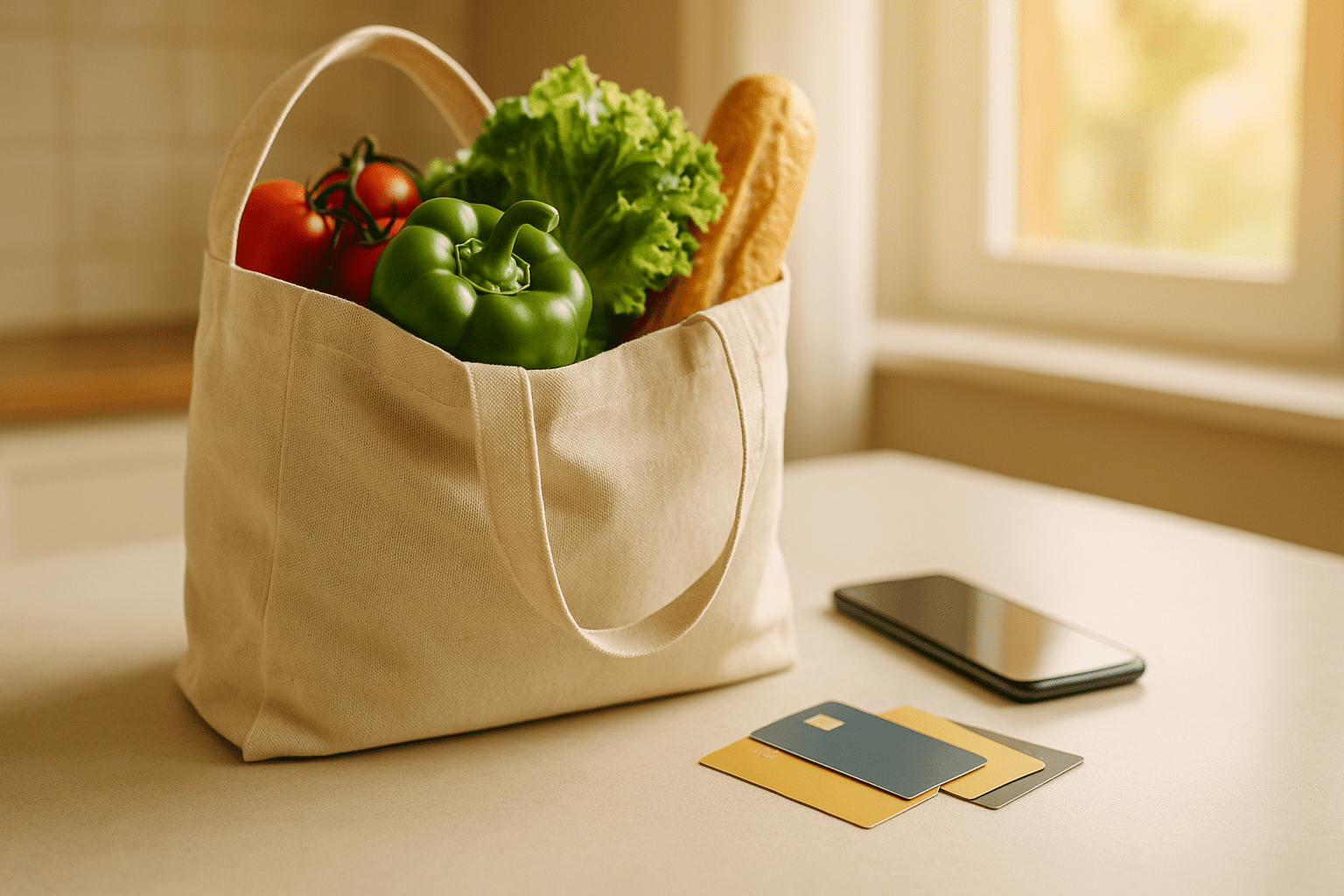
Walking down the grocery aisle used to mean paying with cash, card, or maybe a check. But a fresh wave is changing how we put food on the table: 1 in 4 Americans now pay for groceries using Buy Now, Pay Later (BNPL) plans. These services, which were once for big splurges like computers or furniture, are now helping everyday shoppers bridge the gap as food prices bite. But is this new habit a help—or could it hurt your wallet in the long run? Let’s dig in, see what’s behind this trend, and map out how to shop smart if you’re considering BNPL for your next grocery run.
What’s Driving the Surge in Buy Now, Pay Later for Groceries?
Buy Now, Pay Later isn’t just for fancy gadgets anymore. In fact, according to a Lending Tree survey, 25% of Americans—and a matching number in New York—are using these payment plans specifically to get their groceries. That’s up sharply since last year, as rising grocery bills leave more folks searching for wiggle room.
Here’s what’s fueling this big shift:
- Groceries Are Getting More Expensive: Inflation has driven up food prices in nearly every aisle, prompting many people to look for ways to stretch their dollars further.
- Flexible Payments: BNPL services like Afterpay, Klarna, and Affirm split your bill into smaller, sometimes interest-free chunks, making the up-front cost seem less scary.
- Younger Shoppers Are Jumping In: About 15% of millennials and a whopping 54% of Gen Z shoppers have used BNPL for groceries. This isn’t just a side effect of tech—it’s part of a generational shift in how people handle everyday expenses.
“The share of online BNPL transactions involving groceries grew by 40% in early 2023, the fastest growth among all retail categories.” – Grocery Dive
This growth isn’t just about convenience—it’s a sign that paying for groceries is getting harder, especially for families feeling the pinch. Many see BNPL as a lifeline, helping bridge the gap between paydays or cover sudden expenses when the fridge is running low.
Keep in mind: BNPL loans work kind of like a layaway, except you get your groceries up front and pay over time. But unlike layaway, if you miss a BNPL payment, you could face late fees or even hurt your credit score (depending on the service).
Next steps: If you’re thinking about trying BNPL for groceries, make sure you understand the full payment schedule and any hidden fees. Set calendar reminders for payments so you don’t miss one by accident!
Pros and Cons: Is BNPL Really a Budget Booster or a Sneaky Debt Trap?
BNPL services sound pretty good, don’t they? Smaller payments, no interest (if you pay on time), and the freedom to buy what you need right now. But just like credit cards, there’s a flip side—especially when it comes to something as essential as food.
- Pro: Helps Cover a Tight Spot. If you’re between paychecks or facing unexpected bills, splitting grocery costs can provide some breathing room.
- Con: Makes It Easy to Overspend. When you’re only looking at a small payment—even if you don’t have the full amount today—it’s tempting to stock up or buy those splurges you might skip with cash in your hand.
- Con: Late Fees and Debt Risk. BNPL companies often charge fines if you miss a payment. According to Bankrate, 56% of users reported problems like overspending or missing payments, which can quickly snowball if you rely on BNPL every grocery trip.
- Pro: No Interest, If You Pay On Time. Many plans really are interest-free for a set period, which can be cheaper than putting groceries on a high-interest credit card. But that only works if you’re careful with each payment.
“One in five shoppers now pay for groceries in installments, with 34% of consumers who’ve used installment plans doing so for groceries.” – Supermarket News
Think of BNPL like a tub with lots of little leaks: Each payment might seem small, but if you aren’t tracking them, they add up fast—especially if you juggle more than one BNPL service. Some people even end up with overlapping bills, which can be hard to manage, leading to missed payments and late fees.
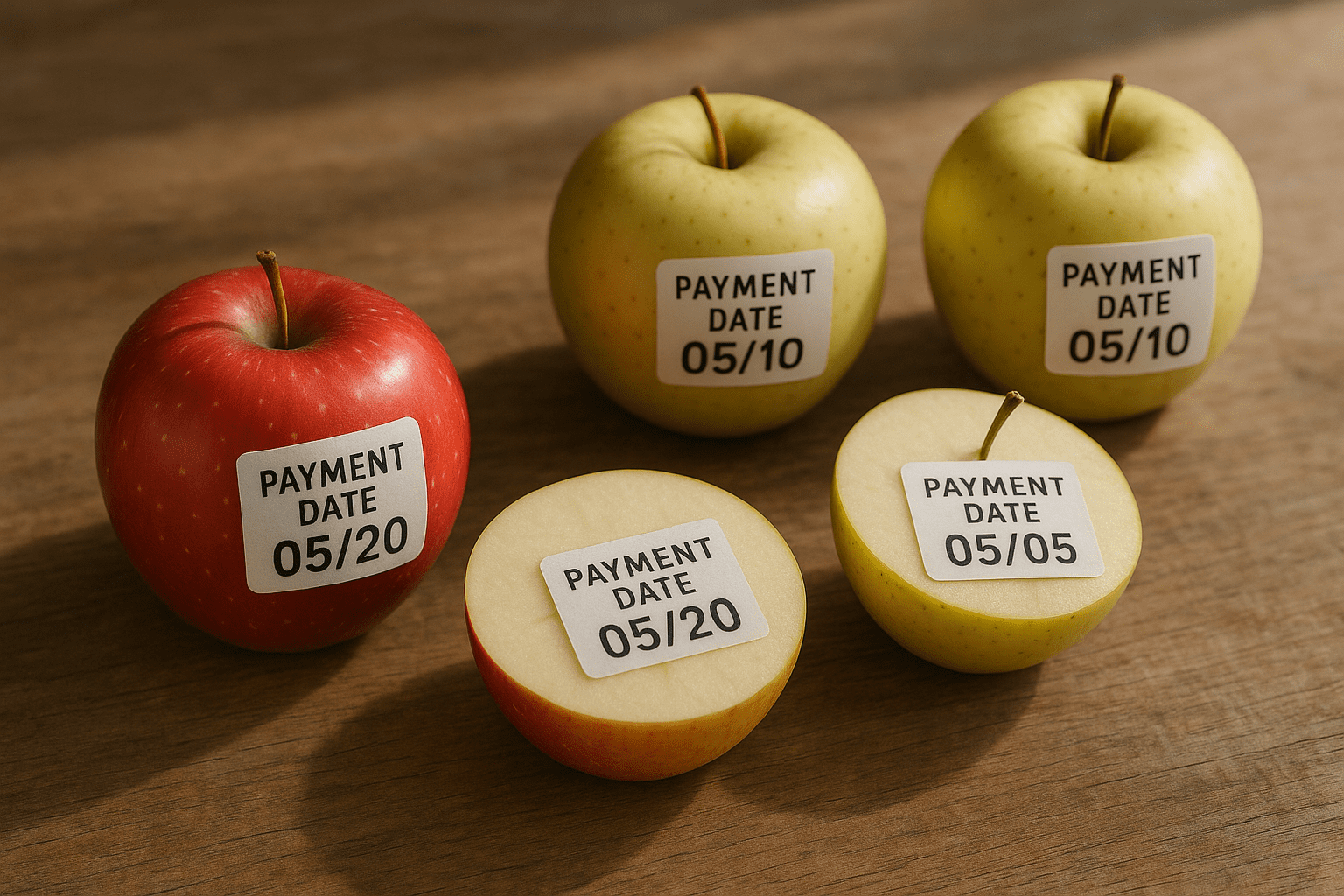
Your best move: Make a list of all your BNPL payments and due dates. Only use BNPL for true needs—like groceries in a pinch, not extras—and avoid stacking multiple payment plans at once.
Smart shoppers also compare BNPL to other options, like using a rewards debit card or a store loyalty program. Sometimes, planning grocery trips around sales or switching brands can save you even more in the long run—without the risk of extra payments.
How to Use Buy Now, Pay Later for Groceries Without Falling Behind
If you decide BNPL is the right tool for you, a few quick habits can make sure you benefit without surprise costs. Remember: Even though BNPL isn’t a regular loan, it’s still borrowing—so treat it like bills that need to be paid on time, every time.
- 1. Only Buy What You Can Truly Afford: Don’t let small payments trick you into spending more than your weekly food budget. If you couldn’t cover the full grocery bill by the due date, step back and reassess.
- 2. Set Reminders: Most missed BNPL payments happen because people forget the schedule. Set alerts on your phone for each payment due date, or link your calendar to your BNPL account if possible.
- 3. Read the Fine Print: Some BNPL plans are interest-free up front, but may start charging interest or late fees after a grace period. Always know what you’re signing up for.
- 4. Use for Emergencies—Not Habits: Try to save BNPL for months when an unexpected expense hits and you really need help. If you find yourself reaching for it every week, it’s time to review your grocery list—and your bigger budget.
“Among BNPL users, 56% have had issues like overspending and missing payments, raising concerns about using these services for everyday necessities.” – Bankrate
The smartest money move is to treat BNPL as a last resort, not a regular part of shopping. Start a simple weekly budget and try tracking spending for just one month—even jotting down purchases on a notepad can reveal patterns and help curb impulse buys.
If grocery costs are crushing your budget, consider:
- Meal planning and buying in bulk on sale
- Trying store brands instead of name brands
- Using coupon apps or joining store loyalty programs for extra savings
- Building a small emergency fund for times when expenses spike
Remember, there’s no shame in needing help now and then, especially when food costs are so high. But with the right habits and a close eye on your total spending, you can use BNPL without falling into surprise debt.
Next steps: Review your regular grocery spending and set a reasonable limit for BNPL use—ideally only when necessary. If BNPL bills become hard to manage, reach out to the company early for support or explore talking with a nonprofit credit counselor to avoid bigger financial headaches.